German doesn't have to feel like homework. Learning with the right TV shows means you pick up vocabulary, grammar, and real accents while doing something you enjoy. Lingopie turns every episode into a lesson, with clickable subtitles and built-in flashcards.


Whether you're a German beginner, moving to Berlin or brushing up for a trip to Vienna, here's how Lingopie turns the shows you watch into daily practice in three steps.
Lingopie's library lets you learn German with TV shows you actually want to watch, from crime dramas and comedies to true stories set across Germany, Austria, and Switzerland.
The content spans different regions, so you naturally pick up on German regional accents and dialects, something few courses cover. Hearing Bavarian German next to Berlin German trains your ear the same way real-life travel would.

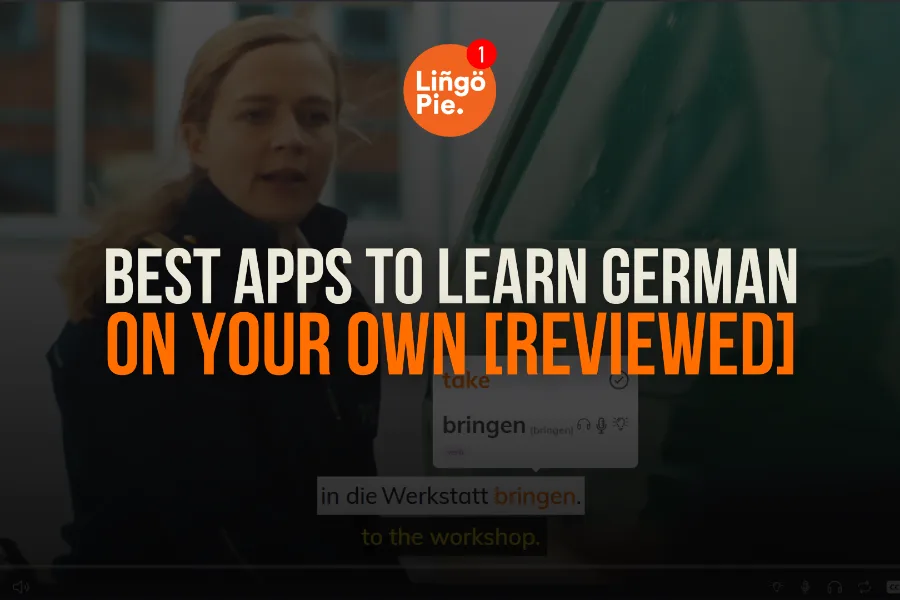
This is where Lingopie helps you learn German by watching TV: everything starts with how you interact with subtitles. Click any word and get an instant translation, a definition, and example sentences, with no pausing to grab a dictionary and no losing your place in the story.
Every click builds a small memory hook: you saw the word, heard it in context, and understood the scene it belonged to. The definition appears right where the word lives, inside a joke, an argument, or a plot twist, so your brain has something concrete to anchor the meaning to.
Every word you click gets saved automatically. Lingopie turns your viewing history into a personal vocabulary list, then quizzes you on it with spaced repetition flashcards.
This is what separates casual watching from actually learning. You're not just consuming content, you're building a growing bank of words and phrases pulled directly from shows you've already watched and enjoyed, which makes them far easier to recall later.
Whether you're a total beginner or already comfortable with intermediate conversations, Lingopie has content matched to where you are. Filter by difficulty level and genre so you're never stuck watching something too advanced or too easy to hold your interest. New titles are added on a regular basis, so the library keeps pace as your skills improve.

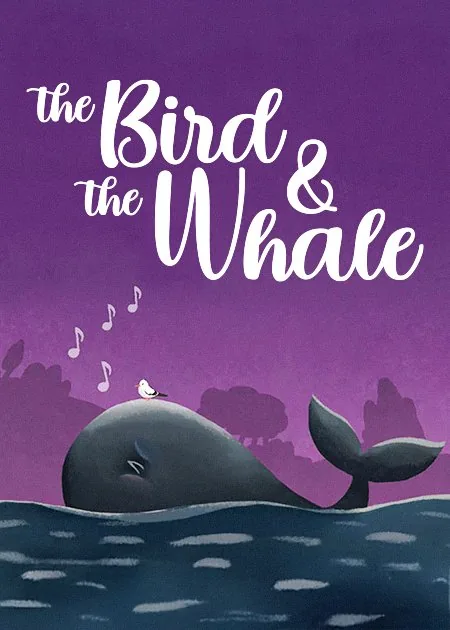









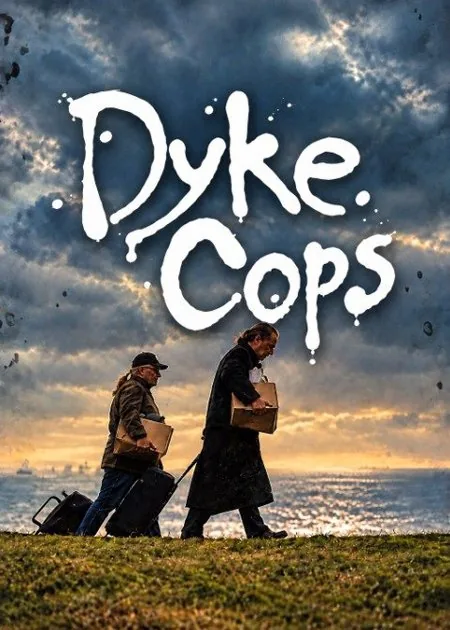





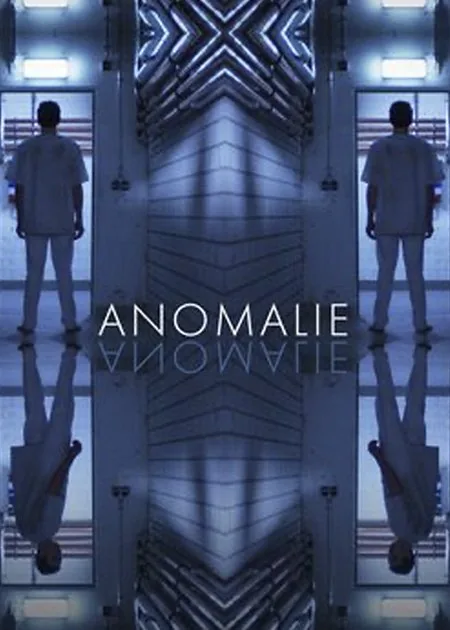

Lingopie's spaced repetition system brings back the German words you've saved right before you'd normally forget them. Over a few months, many learners report building a personal word bank of hundreds or even thousands of terms, all from shows they enjoyed.

Lingopie works like a regular streaming app, with learning tools built into the player. Here's what you can use while you watch and after the episode ends.
Understand German the way it's spoken on screen, at a pace that suits you.
German and English lines run together. Click any word to translate and save it.
Slow down fast dialogue or replay a single line as many times as you need.
Hear slang, filler words and regional accents the way people actually talk.
Find out why a sentence is built the way it is, then practice the patterns from your shows.
Click the light bulb next to a sentence to get its grammar explained.
Color each word by part of speech and spot the structure at a glance.
Practice your saved words in short games and check your progress tracking to see what's sticking and what needs another round.
Practice pronunciation and put the words from your shows to use.
Record a sentence and get a pronunciation score. Recordings aren't stored.
Hear each saved word again in the original clip before you say it yourself.
Join live online sessions with a German teacher and other learners, and practice speaking about everyday topics.
Join a global community of language lovers and participate in webinars, read helpful articles from our blog and deepen your language skills with group lessons.

Lingopie isn't just a streaming platform with subtitles added on top. It's built specifically to help you learn German language online the way your brain actually absorbs a new language, through repetition, context, and genuine interest.
Various tools work together to cover every angle of language learning. Each format trains a different skill, and combining them gives you a rounded understanding of German that no single method can deliver on its own.
This remains the core of the Lingopie learning experience, and it's the easiest way to learn German watching TV: clickable subtitles, instant translations, and a personal vocabulary bank make every viewing session productive, even when you're just watching for entertainment.
Add the Lingopie Chrome extension to get dual subtitles and click-to-translate on German titles on Netflix. Words you save there land in the same vocabulary list as everything else.
Audiobooks slow things down and let you focus purely on listening comprehension. Follow the text as it's read aloud, and you'll train your ear to catch words at natural speaking speed. It's a useful break from screen time while still keeping your German skills sharp during a commute or a walk.
Many people start with slower, learner-friendly podcast episodes, easing into simpler vocabulary and everyday topics before tackling full-speed native audio. They're also perfect for moments when watching a screen isn't practical, like during a commute or a workout. Mixing them into your routine alongside TV shows keeps your ear tuned to German throughout the day.
Join small online German classes led by a native teacher, with just a few other learners. Each session focuses on speaking, so you get to say out loud the words and phrases you've picked up from shows and get feedback in real time.
Ask why a line is phrased a certain way, get German cases and word order explained with examples, or practice a short conversation. The AI chat is there whenever a scene leaves you with a question.
Starting from zero? Short interactive lessons walk you through greetings, numbers, the alphabet and umlauts, basic grammar and pronunciation, so you're ready for your first full episode.
Every word you save turns into flashcards, quizzes and quick games. Spaced repetition brings each word back right before you'd forget it, so a few minutes of review a day keeps your vocabulary growing.
Real language learners describe how Lingopie fits into their routine and where it makes the biggest difference, from finding a learning style that finally clicks to prepping for exams or picking up a language they last studied decades ago.
“Even though I've just started using Lingopie, I can 'feel' that it appeals to my way of learning: Structured, informative and understandable. Lingopie brilliant!”
“I am using Lingopie for German and Spanish. There is a large selection of videos rated by difficulty and country of origin. This is a massive help if you are planning to take any language exams.”
“I am working on improving my German class knowledge (German class 30 years ago!). I have just started using Lingopie and am impressed with the dual captions/subtitles, the amount of content and the various settings to slow it down, or stop and learn a new vocabulary word. Terrific program und es macht Spaß!”
“It is so nice! You have options for younger children as well as adults, and you can adjust the speed depending on your level!! My daughter and my son, as well as me, use it for German and French!”
“…I think some of them are really great and I enjoy watching them, in any language. I also like the music. This is a fantastic learning aid… I can make great progress in conversational German.”
“Super excited to use this! My kids and I love it!!”
“Great App very interactive with tv whilst learning different Languages I am currently learning German for fun. Recommend this app.”
German is the language of Europe's biggest economy, its top universities, and some of the best TV you're not watching yet. Here's what it can open up for you.
Germany is the largest economy in Europe and the third largest in the world, with a GDP of around $5 trillion. From car makers to engineering firms and fast-growing startups, German on your CV shows you can work with one of the world's biggest markets.
English and German come from the same branch of the language family tree, so a lot of German feels familiar from day one: Haus, Wasser, Buch, Finger. Spelling is consistent, too, so once you know the rules you can read words you've never seen before.
German is an official language in six European countries, and more than 15 million people around the world study it as a foreign language. Wherever you are, there's a community, a class or a tandem partner ready to practice with you.
Most public universities in Germany don't charge tuition, even for international students, which is one reason the country hosts over 400,000 of them. Many programs are taught in German, so speaking it widens your choice of courses and scholarships.
Germany invests more than €130 billion a year in research and development, and its labs, institutes and engineering firms are among the most respected in the world. If you're heading into science, medicine or engineering, German gives you an edge.
Order coffee in Vienna, ask for directions in Zurich or chat with locals at a Munich beer garden. German works across Germany, Austria, Switzerland, Liechtenstein, Luxembourg and South Tyrol, and it turns a trip into a real conversation.
Goethe, Kafka, Nietzsche, Beethoven, Bach: some of the biggest names in literature, philosophy and music worked in German. Reading or hearing them in the original shows you the rhythm and wordplay that translations can't fully keep.
German series have gone global: Dark became Netflix's first German original and one of its most-watched non-English shows, and Babylon Berlin has fans worldwide. Learning German means watching them the way they were made, without leaning on subtitles.
Every show is tagged by difficulty from A1 to C2, so you always watch something that fits, from your first Hallo to native-speed dramas.
Clear, slower speech and short episodes.
Follow full conversations and start speaking with confidence.
Binge drama, comedy and docs at native speed.
Think of it as a short German language course built into the app: video lessons cover greetings, numbers, the alphabet and umlauts, then basic grammar rules. When you're ready, move on to beginner-friendly German shows with dual subtitles.
Start for FreeThese are the phrases German speakers use every single day, from first greetings to quick reactions. Tap a card to hear it, then listen for it in the next episode you watch on Lingopie.
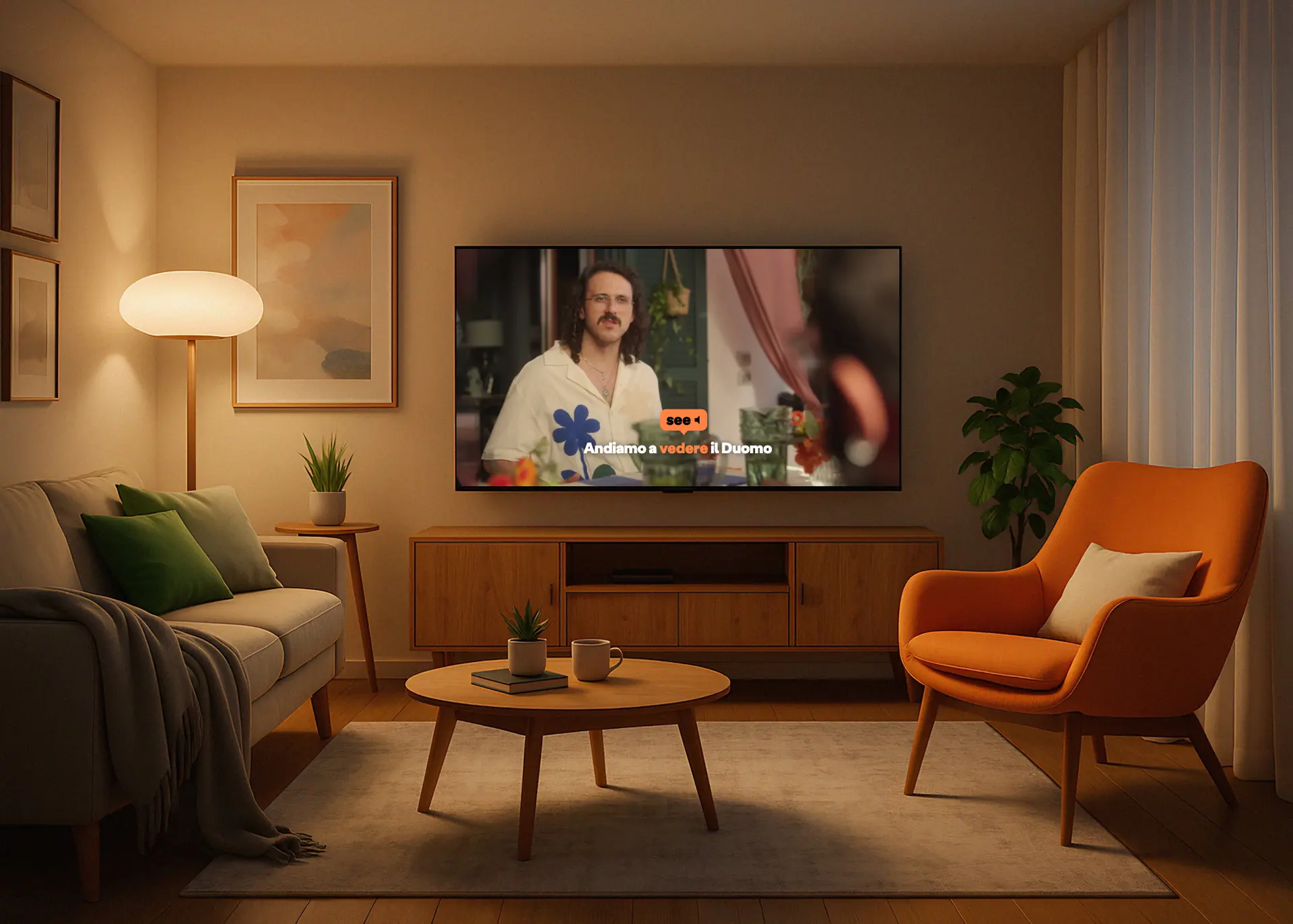
Start an episode on your laptop, pick it back up on your phone during a commute, or cast it to your TV for a relaxed evening session. Your saved vocabulary and progress sync automatically across every device, so switching screens never means losing your place.
Our library is built from shows people actually watch in Germany, Austria, Switzerland and beyond, so you learn German as it's really spoken.




Independent studies on subtitled TV and captioned video, not Lingopie trials.
A 2022 meta-analysis of 34 studies found that watching captioned or subtitled video improved vocabulary learning, with same-language captions showing the strongest results.
A study of 135 countries found that people in places that subtitle foreign TV instead of dubbing it showed English skills about 17% higher, with listening benefiting most.
An analysis of 88 TV programs found that the 3,000 most common word families, plus names, cover about 95% of the words you hear on screen.
In a controlled study of 133 learners, those who watched with captions recognized new words significantly better than those who watched without.
Join our community of language lovers and participate in webinars, read helpful articles from our blog and deepen your language skills with private lessons.
TV helps most when you watch with a plan. Here's a simple routine you can follow with any German show on Lingopie.
If you like crime series, start with a crime series. You're more likely to keep going when you actually want to see the next episode.
Kids' shows and learner series use slower, clearer speech. Switch to regular German drama once you can follow most of the dialogue.
Watch with German and English subtitles at first. Later, turn off the English line. Once you're an advanced learner, try scenes you know well with no subtitles.
Tap a word in the subtitles to see the translation and save it. You don't have to leave the episode to look it up.
Replay a short line, slow it down if you need to, and say it after the actor. Do this with a few lines per episode.
Lingopie turns them into flashcards and short games and brings each word back before you're likely to forget it.
Ten minutes daily is easier to keep up than one long session a week. Set a daily goal in the app and keep your streak going.
Retell an episode in a few German sentences, ask the AI chat about a line that confused you, or join a group lesson to practice speaking.
Check out a separate catalog of German cartoons, fairy tales and animated series made for younger viewers, mixing entertainment with education. Kids and teens can easily pick up natural German from native speakers.
Explore Lingopie Kids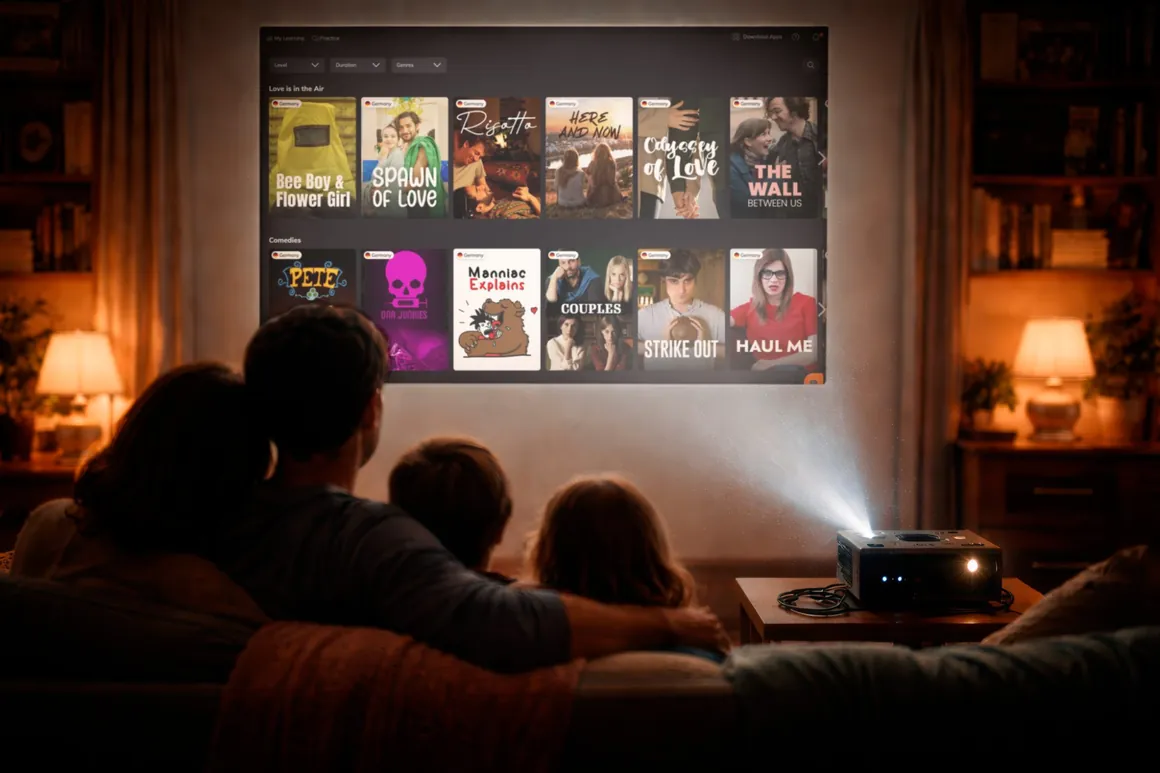
Start learning German with helpful online resources written by language experts.

Most learners notice real improvement in listening comprehension within a few weeks of regular viewing. Consistency matters more than speed, since watching a little every day builds basic vocabulary and ear training faster than occasional long sessions. For many learners, reaching conversational confidence takes several months of steady practice, depending on your starting level and how often you watch. Set realistic goals to avoid feeling overwhelmed: a few episodes a week is a solid start.
German has a few hard parts: three noun genders (der, die, das), four cases, and verbs that move to the end of the sentence. But it is also one of the closest languages to English. Thousands of words look familiar (Haus, Buch, Wasser, Hand), spelling is very regular, and there is only one present tense. Hearing grammar in context, rather than memorizing tables, makes the hard parts click faster.
Yes. The platform includes beginner-level shows with simpler dialogue, dual subtitles, and instant translations, so you're never lost. You can start with easier content and work your way up as your comprehension improves.
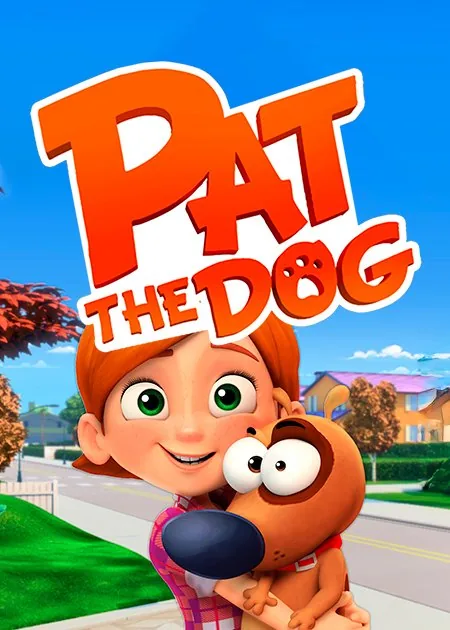
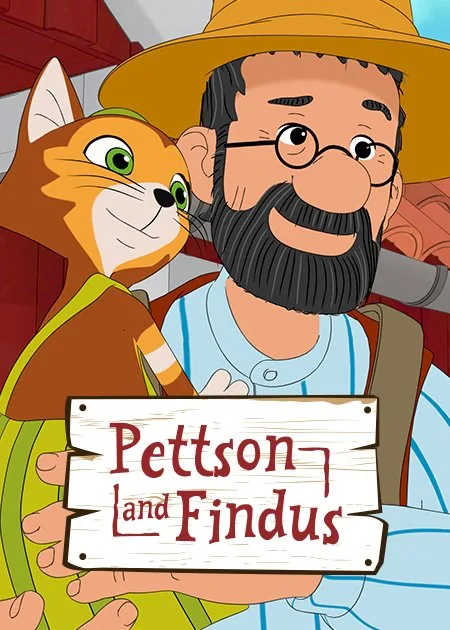
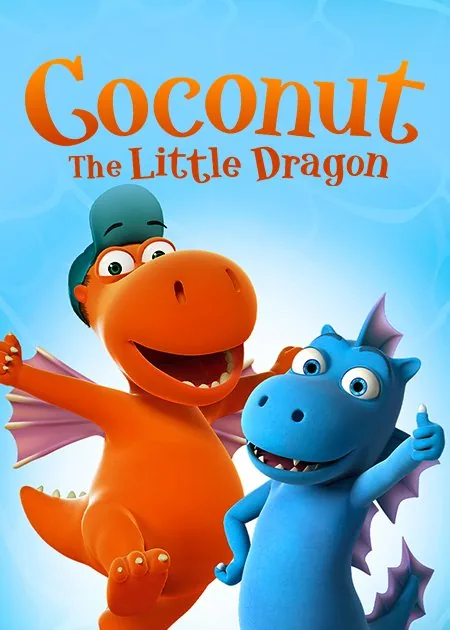
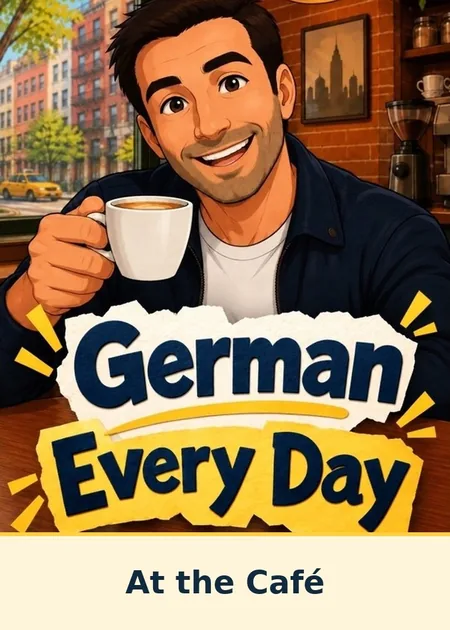
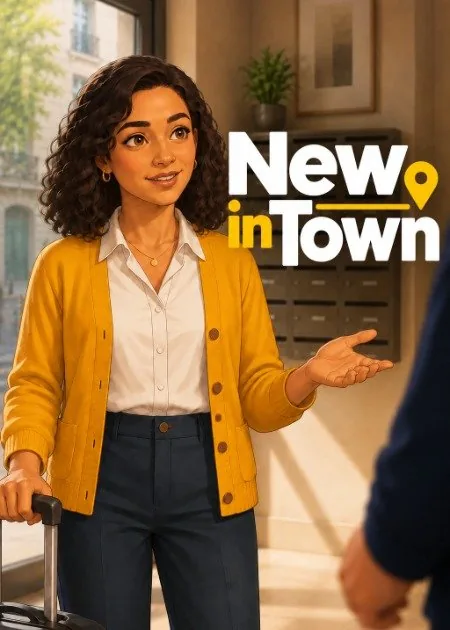
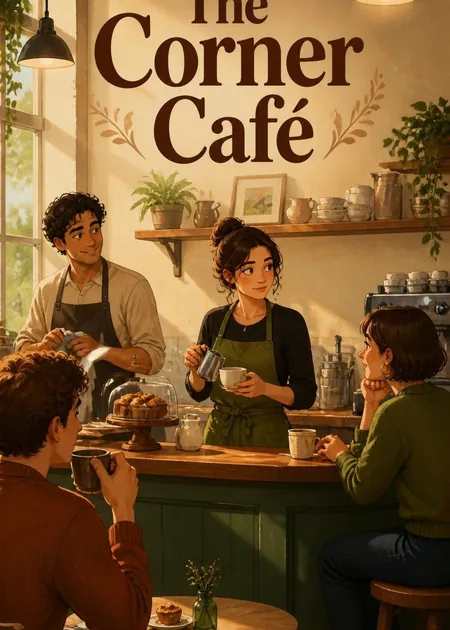
Start with shows that have clear dialogue, everyday settings and slower pacing. On Lingopie, good beginner picks include cartoons like Pettson & Findus, Coconut the Little Dragon and Pat the Dog, the light comedy Love at First Sip, and short series made for learners, such as German Every Day: At the Café, New in Town and The Corner Café. Lingopie's difficulty filters make it easy to find more titles matched to your level.
TV exposes you to natural pacing, real accents, tone, and body language, context you don't get from a textbook. It also keeps you engaged, which means you spend more time in the language without it feeling like a chore. Visual and emotional context also helps new words stick, since you associate them with a scene rather than an isolated flashcard.
Lingopie's library includes thousands of hours of German-language TV shows, movies, and documentaries, spanning multiple genres and difficulty levels. New titles are added regularly, so there's always something fresh to watch, whether you prefer drama, comedy, or unscripted reality content.
Yes. Most learners today study German online. Combine structured basics (grammar, core vocabulary) with daily listening to native content, then add speaking practice with a tutor, a tandem partner or live classes. Lingopie gives you the immersion part at home: real German TV, with tools that make it understandable.
It means focusing on the roughly 20% of words and structures that cover about 80% of everyday conversations: the most common verbs (sein, haben, werden, können, machen), articles, pronouns and set phrases. TV is a great filter for this, because the words you hear again and again are exactly the ones worth learning first.
Lingopie is not an exam course and does not issue official certificates. It is, however, great listening and vocabulary practice for the Goethe-Zertifikat, telc, ÖSD, TestDaF and DSH exams, where understanding natural speech is a big part of the score. Pair it with official practice tests for your level.
Lingopie works well as a core part of your learning routine, especially for building listening skills and vocabulary. Many learners pair it with German lessons or a tutor to round out grammar and conversation skills, since watching alone doesn't replace live conversation practice.
A subscription gives you full access to the TV and movie library, plus music videos, audiobooks, stories and podcasts. Every title comes with clickable dual subtitles, and the words you save turn into flashcards and quizzes for review. With the yearly and lifetime plans, you get every language on Lingopie and can switch between them anytime. The monthly and 3-month plans include 1 language.
Join thousands of users who are choosing to master German through the magic of TV.
Start Learning