
Looking for the best English learning apps can quickly turn into an endless cycle of downloading, testing, and uninstalling. One app promises fluency in 10 minutes a day, another claims AI can perfect your pronunciation, and before you know it, you’ve spent more time comparing apps than actually learning English.
The good news? A handful of platforms genuinely deliver results, and picking the right one becomes much easier once you know what each app does best.
In this guide to the best English learning apps 2026, we’ve done the homework for you. We’ll compare 10 standout apps, explain where each one shines, point out their limitations, and help you choose one that fits your learning style and goals. Expect honest reviews, practical recommendations, and plenty of insights that make deciding a whole lot easier.
- 30-Day Challenge: How to Improve English by Watching TV
- 10 Best British TV Shows For Learning UK English
- 18+ Miami Slang You’ll Hear In The 305 [Guide]

What Makes a Good English Learning App?
The best free English learning apps don't just save you money—they prove they're worth your time. Plenty of apps offer free lessons, but many become repetitive after a few days or lock the features that actually improve your speaking and listening behind a subscription.
A good English learning app should make you feel like you're making measurable progress, even if you only have 15 minutes to study each day. More importantly, it should prepare you for real conversations instead of simply helping you pass quizzes.
When comparing English learning apps, here’s what you should look at:
It teaches English you'll use in real life
Learning isolated words like squirrel or microscope isn't very helpful if you still can't order coffee or introduce yourself. The strongest apps focus on common vocabulary, natural expressions, and everyday conversations that you’ll actually encounter at work, while traveling, or chatting with friends.
It gives you chances to speak, not just tap answers
Many apps make learning feel productive because you're constantly answering multiple-choice questions. Unfortunately, recognizing the correct answer is very different from saying it out loud. Look for apps that encourage speaking practice, pronunciation feedback, or realistic conversation exercises.
It improves your listening with natural English
If every voice sounds slow and perfectly pronounced, real conversations will still catch you off guard. Native speakers use contractions, slang, different accents, and natural pacing. Apps that expose you to authentic English help train your ear for situations outside the classroom.
It keeps you motivated after the first week
Almost every app feels exciting on day one. The real question is whether you'll still be using it a month later. Features like short lessons, personalized recommendations, streaks, or engaging content can make it much easier to stay consistent without making learning feel like another chore.
It matches the way you learn
Some learners want structured grammar lessons. Others remember new vocabulary better by watching TV shows or having conversations. The best app isn't necessarily the one with the longest feature list—it's the one that fits your learning style well enough that you keep coming back.
The best apps for learning English also avoid some common mistakes. They don't overwhelm beginners with complicated grammar on day one. Most importantly, they don’t confuse activity with progress. Completing 100 lessons means very little if you still hesitate every time someone asks you a simple question in English.
Quick Comparison of the Best Apps
Still wondering, what are the best English learning apps? The answer depends on what you want to improve. Some apps are great for building a daily habit, while others specialize in pronunciation, vocabulary, or real conversations. This quick comparison highlights what each app does best so you can narrow down your options before diving into the detailed reviews.
| App | Best For | Free Version | Best For Level |
|---|---|---|---|
| Lingopie | Learning English through TV shows and movies | ✅ Trial | Beginner to Advanced |
| Duolingo | Building a daily learning habit | ✅ Yes | Beginner |
| Babbel | Structured English lessons | ❌ Trial only | Beginner to Intermediate |
| ELSA Speak | Pronunciation and speaking confidence | ✅ Limited | Intermediate to Advanced |
| Busuu | Guided learning with community feedback | ✅ Limited | Beginner to Advanced |
| Memrise | Everyday vocabulary and listening | ✅ Limited | Beginner to Intermediate |
| BBC Learning English | Completely free English lessons | ✅ Yes | Intermediate to Advanced |
| Speak | AI-powered conversation practice | ✅ Limited | Intermediate |
| Rosetta Stone | Full English immersion | ❌ Trial only | Beginner to Intermediate |
| HelloTalk | Speaking with native English speakers | ✅ Yes | Intermediate to Advanced |
The 10 Best English Learning Apps
Searching for the best free English learning apps 2026 doesn’t have to mean trying dozens of apps yourself. We've narrowed the list to 10 standout options, highlighting what each one does best, where it falls short, and who it's most suitable for.
Lingopie
Best for Learning English Through TV Shows and Movies
Lingopie is a language learning platform founded on the idea that people learn languages more effectively when they're engaged with content they genuinely enjoy. Instead of relying solely on traditional lessons, the platform uses licensed TV shows, movies, podcasts, and other native media to help learners build real-world language skills.
Today, Lingopie supports multiple languages, including English, making it a popular choice for learners who want a more immersive alternative to conventional language apps.
| Feature | Details |
|---|---|
| Best for | Learning English through authentic TV shows and movies |
| Platforms | Web, iOS, Android, Android TV, Roku |
| Free trial | Yes |
| Content | TV shows, movies, podcasts, audiobooks, music videos, news |
| Learning tools | Interactive subtitles, instant word translations, flashcards, quizzes, grammar notes, AI pronunciation practice |
| Skill focus | Listening, vocabulary, pronunciation, reading, speaking |
| Ideal learner | Beginner to advanced English learners |
Unlike many apps that teach English through isolated vocabulary lists or repetitive grammar drills, Lingopie places every new word and expression inside a real conversation. That's what makes it one of the best apps for learning English 2026. By repeatedly hearing English used in authentic situations, learners begin recognizing pronunciation patterns, common phrases, humor, and cultural references naturally.
 Jonathan Del Prado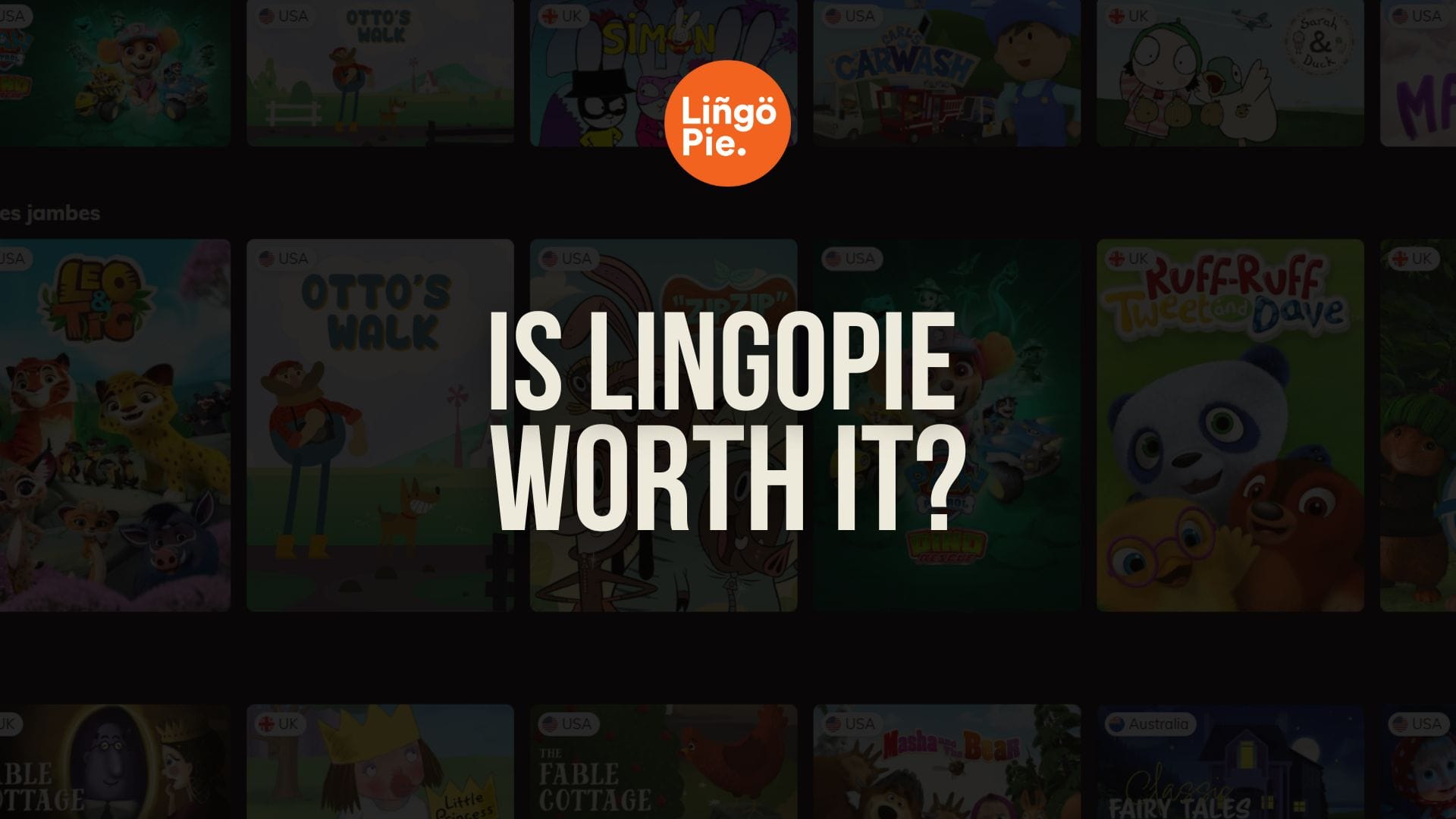
Memrise
Best for Building Everyday Vocabulary
Learning new English words is easy. Remembering them a week later is the real challenge. Many learners can recognize vocabulary during a lesson but struggle to recall it during a conversation or while watching a movie. Memrise is built around solving that problem by helping learners repeatedly encounter useful words and phrases in realistic situations, making them much easier to remember over time.
| Feature | Details |
|---|---|
| Best for | Everyday vocabulary and conversational English |
| Platforms | Web, iOS, Android |
| Free version | Yes (limited features) |
| Learning approach | Vocabulary-first learning with native speaker videos |
| Key features | Native speaker videos, AI conversation practice, review sessions, vocabulary exercises, personalized recommendations |
| Skill focus | Vocabulary, listening, speaking, reading |
| Ideal learner | Beginners to intermediate learners building everyday communication skills |
Memrise earns its place among the best language learning apps English learners can use because it prioritizes words and expressions they'll encounter outside the classroom. Instead of introducing vocabulary in isolation, the app pairs it with videos featuring native content, allowing learners to hear natural pronunciation, speaking speed, and everyday expressions in context. This makes it easier to connect a word with real situations instead of simply memorizing a definition.
Another feature that sets Memrise apart is its review system. Rather than expecting learners to remember hundreds of new words after seeing them once, the app revisits vocabulary at carefully timed intervals, reinforcing memory before words are forgotten. If your biggest challenge is expanding your vocabulary and understanding spoken English more naturally, Memrise is an excellent companion to a more comprehensive English course.
Duolingo
Best Free App for Building a Daily Learning Habit
Duolingo is one of the world’s most recognizable language learning platforms, offering courses in more than 40 languages, including English. Designed around short, game-like lessons, it helps learners build a consistent study routine through bite-sized activities, daily streaks, and rewards that encourage regular practice.
While its free version remains one of the most generous available, premium plans remove ads and unlock additional learning features for a smoother experience.
| Feature | Details |
|---|---|
| Best for | Beginners building a daily English learning habit |
| Platforms | Web, iOS, Android |
| Free version | Yes |
| Learning approach | Gamified lessons with a structured learning path |
| Key features | Interactive exercises, speech recognition, personalized learning, vocabulary building, grammar practice, listening activities |
| Skill focus | Reading, listening, vocabulary, basic speaking and writing |
| Ideal learner | Beginners and casual learners looking for short daily lessons |
Duolingo remains one of the best apps for learning English language because it removes many of the barriers that stop people from studying consistently. Lessons take just a few minutes to complete, making it easy to fit learning into a busy schedule, while interactive exercises and instant feedback help reinforce new vocabulary and grammar as you progress.
The platform also adapts lesson difficulty based on your performance, creating a personalized learning experience that keeps beginners challenged without becoming overwhelming.
That said, Duolingo works best as a foundation rather than a complete English course. Although it includes speech recognition, listening comprehension, and basic pronunciation practice, many learners eventually need additional resources for conversation practice and exposure to real-life conversations with native speakers.
BBC Learning English
Best Completely Free English Learning Resource
Not every great English learning tool requires a subscription. If you don't mind learning outside a traditional app, BBC Learning English offers one of the most comprehensive free libraries available online.
Created by the British Broadcasting Corporation (BBC), it has been helping English learners around the world for decades with lessons built around authentic news stories, current events, and everyday topics, making it an excellent resource for learners who want high-quality content without paying for a premium plan.
| Feature | Details |
|---|---|
| Best for | Free English lessons and current affairs |
| Platforms | Website, iOS, Android |
| Free version | Completely free |
| Learning approach | Lessons based on news, grammar, vocabulary, and pronunciation |
| Key features | News-based lessons, grammar guides, pronunciation videos, quizzes, English courses by level |
| Skill focus | Listening, reading, vocabulary, grammar, pronunciation |
| Ideal learner | Intermediate to advanced learners seeking free, high-quality lessons |
BBC Learning English stands out because it teaches English through content people might actually encounter outside a classroom. Instead of relying on fictional dialogues, many lessons are built around real news stories, interviews, and topical discussions, exposing learners to authentic language while expanding their knowledge of current events.
The platform is especially valuable for learners who enjoy independent study. Its extensive library covers grammar, pronunciation, vocabulary, business English, and exam preparation, allowing users to focus on the areas they want to improve.
Although it doesn't offer personalized learning paths or AI-powered coaching like some newer platforms, it's one of the strongest free resources available for learners who are motivated enough to direct their own progress.
Babbel
Best for Structured English Lessons
Babbel is a subscription-based language learning platform developed by language experts to help learners build practical communication skills through structured lessons. Unlike many gamified apps, Babbel follows a carefully designed curriculum that gradually introduces new vocabulary, grammar, and sentence patterns, making it easy to see how each lesson builds on the last. The platform also offers podcasts, short stories, and live online classes, giving learners several ways to strengthen their English beyond the core lessons.
| Feature | Details |
|---|---|
| Best for | Structured English lessons |
| Platforms | Web, iOS, Android |
| Free trial | Limited free lessons |
| Learning approach | Expert-designed curriculum with a structured learning path |
| Key features | Conversation practice, grammar correction, pronunciation practice, review sessions, podcasts, Babbel Live classes |
| Skill focus | Speaking, listening, reading, writing, grammar |
| Ideal learner | Beginners to intermediate learners seeking a guided course |
Babbel consistently ranks among the best English-language learning apps because every lesson has a clear purpose rather than feeling like a collection of random exercises. New vocabulary is introduced through practical situations, then reinforced using review sessions and conversation practice that encourage learners to apply what they've just learned. Grammar explanations are concise and immediately followed by activities, helping users understand why English works the way it does instead of simply memorizing answers.
Another advantage is Babbel’s emphasis on long-term retention. Regular review sessions revisit older material at the right time, helping learners strengthen their memory without feeling repetitive.
Combined with its structured learning path, pronunciation practice, and balanced focus on speaking skills, writing skills, and reading comprehension, Babbel is an excellent choice for learners who prefer a classroom-style experience in a flexible, self-paced format.
HelloTalk
Best for Speaking with Native English Speakers
You can finish hundreds of lessons and still freeze the moment someone says, "Hi, how are you?" That's because conversations rarely follow a script. People interrupt each other, ask unexpected questions, use slang, and speak at different speeds. HelloTalk throws you into that reality by connecting you with native English speakers and other learners for genuine conversations, helping you practice the language the way it's actually used.
| Feature | Details |
|---|---|
| Best for | Speaking with native English speakers |
| Platforms | iOS, Android |
| Free version | Yes |
| Learning approach | Language exchange with real people |
| Key features | Text messaging, voice notes, voice and video calls, translation tools, pronunciation playback, correction tools |
| Skill focus | Speaking, listening, reading, writing |
| Ideal learner | Intermediate to advanced learners ready for real conversations |
HelloTalk isn't about completing lessons or collecting badges. Every conversation is different because every person is different. One exchange might teach you a new idiom, while another introduces you to a different accent or communication style. That unpredictability is exactly what makes the app valuable—it prepares you for the kind of English you can't fully learn through textbooks or AI chatbots.
Of course, success depends on finding active language partners who are willing to chat regularly. Some conversations fade after a few messages, while others turn into long-term friendships. If you're ready to move beyond practice exercises and see how your English holds up in everyday conversations, HelloTalk offers an experience that's difficult for any traditional language app to replicate.
 Jonathan Del Prado
ELSA Speak
Best for Pronunciation and Speaking Confidence
ELSA Speak is an AI-powered language learning platform designed to help non-native English speakers improve their pronunciation and spoken communication. Originally developed to address common pronunciation challenges, the app now offers thousands of speaking lessons covering everyday situations, workplace communication, interviews, and presentations.
Basically, its lessons are built around short speaking exercises that encourage learners to practice English aloud instead of silently reading or tapping through quizzes.
| Feature | Details |
|---|---|
| Best for | Pronunciation and speaking confidence |
| Platforms | Web, iOS, Android |
| Free version | Yes (limited lessons) |
| Learning approach | AI-powered speaking and pronunciation training |
| Key features | AI language tutor, speech recognition, pronunciation scoring, role play scenarios, personalized study plans |
| Skill focus | Speaking, pronunciation, listening |
| Ideal learner | Intermediate to advanced learners who want to sound more natural |
ELSA Speak has earned its place among the best apps for English learning because it focuses on a skill many language apps overlook: helping learners notice and correct the small pronunciation mistakes that can affect confidence and clarity. Instead of simply marking an answer as correct, its advanced speech recognition analyzes how you pronounce individual words and provides instant feedback on sounds, stress, and intonation. This targeted approach makes practice more productive, especially for learners who don't have regular access to an English teacher.
The app also goes beyond isolated pronunciation drills by incorporating an AI tutor, workplace dialogues, and role play scenarios that simulate everyday interactions. These guided exercises help learners develop stronger speaking habits before using English in real conversations.
While ELSA isn't designed to replace a complete language course, it's an excellent companion app for anyone who understands English well but wants to speak more naturally and confidently.
Busuu
Best for Guided Learning with Community Feedback
Busuu is a language learning platform that combines structured self-study lessons with feedback from a global community of native speakers. Its English course follows the Common European Framework of Reference (CEFR), giving learners a clear roadmap from beginner to advanced levels.
Alongside interactive lessons, Busuu encourages users to submit speaking and writing exercises that can be reviewed by other members, creating a more collaborative learning experience than many traditional language apps.
| Feature | Details |
|---|---|
| Best for | Guided English learning with community feedback |
| Platforms | Web, iOS, Android |
| Free version | Yes (limited access) |
| Learning approach | CEFR-based lessons with community corrections |
| Key features | Writing exercises, speaking exercises, native speaker feedback, study plans, review sessions |
| Skill focus | Reading, writing, speaking, listening |
| Ideal learner | Beginners to advanced learners looking for structured progression |
Busuu is one of the best language learning apps for English because it doesn't stop at teaching new concepts—it encourages learners to use them. After completing lessons, users can submit short writing and speaking activities for feedback from native speakers, helping them identify mistakes that automated exercises often miss. This combination of structured lessons and practical application builds confidence while reinforcing grammar and vocabulary in meaningful contexts.
Another strength is Busuu's flexible learning experience. Lessons can be completed at your own pace, making it a good option for busy learners who want a self-paced learning experience without sacrificing structure. The platform also tracks your progress across CEFR levels, making it easy to see how your English develops over time and identify the skills that need more attention before moving on.
Speak
Best for AI-Powered Conversation Practice
Knowing English and speaking English confidently aren't always the same thing. Many learners hesitate during conversations because they're worried about making mistakes or forgetting the right words. Speak was built to solve that problem by giving users a safe place to practice conversations with an AI tutor before using English in real life. The app simulates everyday situations, helping learners build confidence one conversation at a time.
| Feature | Details |
|---|---|
| Best for | AI-powered speaking practice |
| Platforms | iOS, Android |
| Free version | Limited free lessons |
| Learning approach | AI conversation practice |
| Key features | AI tutor, real-time feedback, conversation scenarios, pronunciation analysis, personalized lessons |
| Skill focus | Speaking, listening, pronunciation |
| Ideal learner | Intermediate learners looking to improve fluency and confidence |
Instead of asking learners to repeat isolated sentences, Speak encourages complete conversations through an AI language tutor that responds naturally and adapts to the discussion. Lessons include travel, work, shopping, and other everyday topics, giving learners a chance to practice the kind of English they'll actually use. The app also provides detailed feedback after each session, helping users identify areas they can improve before speaking with real people.
Speak is especially valuable for learners who don't have access to an English tutor or conversation partner. While AI can't fully replace human interaction, it offers unlimited practice without the fear of being judged for making mistakes. If your biggest challenge is turning passive knowledge into confident communication, Speak is one of the strongest AI-powered options available today.
Rosetta Stone
Best for Full English Immersion
Most English learning apps explain new words by translating them into your native language. Rosetta Stone takes the opposite approach. It teaches English by pairing words, images, audio, and context, encouraging learners to understand meanings naturally instead of translating every sentence in their head. The goal isn't simply to memorize English vocabulary but to gradually help learners think in English.
| Feature | Details |
|---|---|
| Best for | Immersive English learning |
| Platforms | Web, iOS, Android |
| Free trial | Yes |
| Learning approach | Full immersion without direct translation |
| Key features | TruAccent® speech technology, pronunciation feedback, offline lessons, phrasebook, bite-sized lessons |
| Skill focus | Speaking, listening, reading, pronunciation |
| Ideal learner | Beginners to intermediate learners committed to immersive learning |
Rosetta Stone has remained popular for decades because its immersion-first method encourages learners to associate English directly with ideas and situations rather than translating everything word for word. This can feel more challenging at first, but it often leads to better long-term comprehension and more natural language processing. Lessons gradually increase in difficulty, allowing learners to build confidence through repeated exposure instead of memorization alone.
The trade-off is that Rosetta Stone requires patience. Beginners who prefer detailed grammar explanations may find the learning curve steeper than with apps like Babbel or Duolingo. However, learners who enjoy discovering patterns through observation often appreciate this approach, especially when the goal is developing stronger listening and speaking skills over time.
How to Choose the Right English Learning App for You
Before subscribing to any platform, think about why you're learning English. Are you trying to speak more confidently, improve your grammar, prepare for work, or simply understand movies without subtitles? Matching the app to your biggest challenge will almost always lead to better results than choosing the most popular option.
Here are some useful guide questions for you:
✔ I want to understand native speakers better.
Choose: Lingopie or BBC Learning English
✔ I need motivation to study every day.
Choose: Duolingo
✔ I prefer structured lessons that build on each other.
Choose: Babbel or Busuu
✔ My pronunciation needs improvement.
Choose: ELSA Speak
✔ I forget new vocabulary quickly.
Choose: Memrise
✔ I want to practice speaking without feeling embarrassed.
Choose: Speak
✔ I learn best through full immersion instead of translations.
Choose: Rosetta Stone
✔ I'm ready to have conversations with real people.
Choose: HelloTalk
✔ I don't want to pay for a subscription yet.
Choose: BBC Learning English or Duolingo
Are AI Learning Apps Better Than Traditional Ones?
AI learning apps aren't better or worse than traditional methods—they simply solve different problems. AI excels at making practice accessible anytime, while teachers and conversation partners provide the human interaction that's difficult to replicate. The best approach depends on what you're trying to improve.
| If you want to... | Choose AI Learning Apps | Choose Traditional Learning |
|---|---|---|
| Build a daily learning habit | ✅ | |
| Practice speaking anytime | ✅ | |
| Receive instant pronunciation feedback | ✅ | |
| Learn at your own pace | ✅ | |
| Save money on regular lessons | ✅ | |
| Ask detailed questions about grammar | ✅ | |
| Get personalized coaching from an instructor | ✅ | |
| Participate in live discussions | ✅ | |
| Practice spontaneous conversations | ✅ | |
| Prepare for classroom exams or certifications | ✅ |
For many learners, the most effective strategy is to combine both. Use AI apps for daily vocabulary, pronunciation, and speaking practice, then reinforce those skills through conversations with native speakers, tutors, or classroom instruction. This combination gives you the flexibility of technology while preserving the human interaction that's essential for building real communication skills.
 Jonathan Del Prado
The Rise of Personalized English Learning Apps
One of the biggest weaknesses of traditional language courses is that everyone follows the same lesson plan, even when their learning needs are completely different. English learning apps are changing that by adapting to the individual. If you struggle with pronunciation, the app can recommend more speaking practice. If vocabulary is your weak spot, you can increase review sessions before introducing new words.
Personalization doesn't mean the app teaches differently—it means it teaches more efficiently. By focusing on the skills you haven't mastered instead of repeating what you already know, personalized learning helps you make better use of every study session.
Why Learning English Through TV Shows Works
Learning English through TV shows works because it exposes you to the language as it's actually spoken. Instead of memorizing isolated words or grammar rules, you hear natural conversations, everyday expressions, pronunciation, humor, and cultural references in context.
Over time, this helps improve listening skills, expand vocabulary, and build the confidence to understand real English outside the classroom.
If this learning style appeals to you, Lingopie is one of the best places to start. Its interactive subtitles, vocabulary tools, and library of English TV shows and movies make it easy to turn your favorite content into engaging language lessons—so learning feels less like studying and more like enjoying a great show.
FAQs
Can you become fluent in English using only an app?
Yes, it's possible to reach a high level of English using apps, especially if you study consistently and practice all four language skills. However, fluency also requires using English in real conversations, so combining apps with speaking practice, TV shows, books, podcasts, or language exchanges usually produces the best results.
Which English learning app is best for beginners?
Duolingo is one of the best choices for complete beginners thanks to its simple lessons, gamified approach, and generous free version. If you prefer a more structured curriculum, Babbel is an excellent alternative, while Lingopie is ideal once you're ready to build listening skills through authentic TV shows and movies.
Which app is best for English-speaking practice?
It depends on the type of speaking practice you're looking for. ELSA Speak excels at improving pronunciation. Speak offers AI-powered conversation practice, and HelloTalk connects you with native English speakers for real conversations. Using a combination of these apps can help you build both confidence and conversational fluency.
Are English learning apps better than taking classes?
Not necessarily. English learning apps offer flexibility, personalized practice, and instant feedback, while classes provide live interaction, detailed explanations, and guidance from an instructor. Many learners achieve the best results by using apps for daily practice and classes or conversation partners to reinforce what they've learned.
How long does it take to learn English with an app?
The timeline depends on your starting level, study habits, and learning goals. Studying for 15 to 30 minutes a day can lead to noticeable improvements in a few months, but achieving conversational fluency typically takes much longer. Consistency and regular exposure to real English are more important than the app you choose.
Is there a free trial for Lingopie?
Yes. Lingopie offers a free trial, allowing you to explore its library of TV shows, movies, and language learning features before purchasing a subscription. It's a great way to see if learning English through authentic video content matches your learning style.