
It's no secret that millennial slang might not be the newest thing on the block, but it still got major staying power. Even as Gen Z and Gen Alpha take the spotlight, our generation's way of talking has woven itself into everyday language. From phrases like "Netflix and chill" to "sorry, not sorry," these expressions have transcended their meme-worthy beginnings and are now practically mainstream.
No matter if you're brushing up to keep up or just feeling nostalgic for the days when we were the trendsetters, this guide is here to break down the slang that defined us. Ready to relive the glory days of millennial lingo? Let's go.

Where Does Millennial Slang Come From?
One of the most significant contributors to millennial slang is the internet, particularly social media platforms like Twitter, Instagram, and Reddit, alongside pop culture, music, and shows like Friends and The Office. Terms like "FOMO" and "YOLO" spread through memes, tweets, and viral videos. Merriam-Webster even added FOMO to its dictionary, tracing its first known use back to 2004, proof that internet slang eventually earns its place in the "real" dictionary.
Millennial slang also reflects the values and experiences of this generation, capturing distinctive challenges in a concise way, from "adulting" to "ghosting." The globalization of communication has helped these terms cross borders quickly, while words from other languages, like the Japanese "kawaii," have made their way in too. The blending, borrowing, and repurposing of words is all part of how millennials have shaped English in innovative ways.

Photo by Simon Maage on Unsplash
100+ Millennial Words and Phrases, Organized by Category
Ready to see the common millennial phrases and millennial words that defined text messages, tweets, and group chats for over a decade? Below are 100+ millennial slang terms, grouped by theme so it's easy to scan for the ones you remember, or still use every day.
Internet & Social Media Slang
This first batch of millennial words comes straight from the earliest days of Facebook, Twitter, and text messaging, when millennials were the ones inventing the rules of online communication.
1. FOMO
Meaning: Fear of missing out on something fun or important.
Example: "I have serious FOMO about missing that concert."
Context: Still one of the most-used millennial terms, now common across all generations and even listed in the dictionary.
2. Selfie
Meaning: A photo you take of yourself, usually with a phone.
Example: "She took a selfie in front of the Eiffel Tower."
Context: Fully mainstream, used by every age group without a hint of irony.
3. Photobomb
Meaning: To unexpectedly appear in someone else's photo, often as a joke.
Example: "My brother photobombed our family picture again."
Context: Still used casually to describe accidental or prank photo appearances.
4. Subtweet
Meaning: A tweet that references someone without naming them directly.
Example: "She posted a subtweet about her annoying coworker."
Context: Lives on wherever Twitter/X culture is discussed, though usage has cooled since the platform's peak.
5. Finsta
Meaning: A fake Instagram account, kept private for close friends only.
Example: "Follow my finsta if you want the unfiltered posts."
Context: Fading as Instagram's Close Friends feature took over the same function, but still recognizable.
6. Humble-brag
Meaning: Bragging about yourself while pretending to complain or be modest.
Example: "Ugh, I'm so tired from closing another huge deal, what a humble-brag."
Context: Widely used in workplace and social media conversations today.
7. ICYMI
Meaning: Short for "in case you missed it," used to reshare something.
Example: "ICYMI, the tickets go on sale tomorrow."
Context: Common in newsletters, social captions, and group chats.
8. TL;DR
Meaning: Short for "too long, didn't read," a quick summary of something lengthy.
Example: "TL;DR, the meeting got pushed to Friday."
Context: A staple of online writing and workplace messaging, still going strong.
9. Stan
Meaning: An overly enthusiastic, obsessive fan.
Example: "I stan that show so hard, I've watched it three times."
Context: Crossed generations and remains active in fandom and pop culture spaces.
10. Lurker
Meaning: Someone who reads posts or watches a group chat without ever commenting.
Example: "I'm mostly a lurker in that Facebook group."
Context: Still used for anyone who watches online activity from the sidelines.
11. Troll
Meaning: Someone who posts inflammatory comments online just to get a reaction.
Example: "Don't feed the trolls in the comment section."
Context: Fully mainstream and used across every online platform.
12. DM
Meaning: To send a direct, private message on social media.
Example: "Just DM me your address for the invite."
Context: One of the most universal slang terms, used daily across all age groups.
Dating & Relationships Slang
Millennials popularized a whole vocabulary for modern dating, long before dating apps made things even more complicated.
13. Bae
Meaning: Short for "before anyone else," a term of endearment for a partner.
Example: "My bae is taking me out for my birthday."
Context: Still used, though often with a nostalgic or playful tone.
14. Netflix and Chill
Meaning: An invitation to hang out that often implies romantic intent.
Example: "Want to come over and Netflix and chill tonight?"
Context: Remains widely understood as shorthand for a low-key romantic hangout.
15. Ship / Shipping
Meaning: To root for two people, real or fictional, to be a couple.
Example: "I ship those two characters so hard."
Context: Extremely active in fandom communities today.
16. Situationship
Meaning: A romantic relationship that's undefined and not quite official.
Example: "We've been in a situationship for six months now."
Context: One of the most current terms on this list, still trending across social media.
17. Breadcrumbing
Meaning: Sending just enough attention to keep someone interested without commitment.
Example: "He kept breadcrumbing her with random texts and no real plans."
Context: Common in dating app discussions and relationship advice content.
18. Benching
Meaning: Keeping a romantic prospect on hold as a backup option.
Example: "She's benching him while she figures out what she wants."
Context: Still used in modern dating vocabulary alongside breadcrumbing.
19. Sliding into DMs
Meaning: Sending someone a flirty or bold private message.
Example: "He finally slid into her DMs after months of liking her posts."
Context: Fully mainstream, used across generations for online flirting.
20. Frenemy
Meaning: Someone who's technically a friend but also a bit of a rival.
Example: "She's more of a frenemy than an actual friend."
Context: Still widely recognized and used in everyday conversation.
21. Bromance
Meaning: A close, non-romantic friendship between two men.
Example: "Their bromance goes back to college."
Context: A durable term still used in casual conversation and pop culture.
22. It's Complicated
Meaning: A vague, undefined relationship status, popularized by early Facebook.
Example: "Their status still says it's complicated."
Context: Used more ironically now than as an actual profile setting.
23. Ghosted
Meaning: When someone suddenly stops all communication without explanation.
Example: "Ryan ghosted her after dating for four years."
Context: One of the most enduring millennial dating terms, still in daily use.
24. Thirsty
Meaning: Desperate for attention or validation, often in a romantic context.
Example: "Posting selfies every hour is a little thirsty, don't you think?"
Context: Still active, particularly around social media behavior.
25. Fam
Meaning: Short for "family," used to describe close friends.
Example: "What's up, fam?"
Context: Common casual greeting across generations.
26. Catfish
Meaning: To lure someone into a relationship using a fake online identity.
Example: "He got catfished by someone using stolen photos."
Context: Reinforced by the ongoing popularity of the Catfish TV franchise.
Reactions & Emotions
This group covers how millennials express feelings in as few words as possible.
27. Mood
Meaning: A feeling or vibe that perfectly captures a moment.
Example: "That meme is such a mood right now."
Context: One of the most durable and cross-generational terms on this list.
28. Big Mood
Meaning: An intensified version of "mood," used for strong relatability.
Example: "Wanting to cancel plans last minute is a big mood."
Context: Still common in caption and comment culture.
29. Same
Meaning: Agreeing completely with a post, comment, or feeling.
Example: "Same, I also can't get out of bed on Mondays."
Context: A simple, evergreen way to show relatability online.
30. I Can't Even
Meaning: An expression of being overwhelmed, in a good or bad way.
Example: "I can't even with how cute that puppy is."
Context: Slightly dated but still understood and used ironically.
31. Dead / I'm Dead
Meaning: Dying of laughter, extremely amused.
Example: "That video killed me, I'm dead."
Context: Still widely used to react to something funny online.
32. Shook
Meaning: Shocked or deeply surprised.
Example: "I was shook when I heard the news."
Context: Remains common across generations for expressing surprise.
33. Triggered
Meaning: Provoked into a strong emotional reaction, often used ironically.
Example: "He gets triggered every time someone mentions pineapple pizza."
Context: Still used casually, though the original clinical meaning is often diluted.
34. Pressed
Meaning: Visibly upset or annoyed about something.
Example: "Why are you so pressed about losing one game?"
Context: Still active in casual conversation and social media replies.
35. Extra
Meaning: Over the top or overly dramatic.
Example: "Wearing a ball gown to a picnic is a bit extra."
Context: Fully mainstream and used across generations.
36. Cringe
Meaning: Something so embarrassing it's hard to watch.
Example: "That old video of me singing is pure cringe."
Context: One of the most durable slang terms, now used as both noun and adjective.
37. Hangry
Meaning: Irritable because you're hungry.
Example: "Feed me now, I'm getting hangry."
Context: So common it appears in dictionaries and everyday speech.
38. Petty
Meaning: Behaving in a deliberately small-minded or vindictive way.
Example: "Unfollowing him after the breakup felt a little petty, but fine."
Context: Still widely used, especially around social media drama.
39. Salty
Meaning: Feeling upset, bitter, or angry, often over something minor.
Example: "He's still salty about losing the game last night."
Context: Common across generations to describe lingering irritation.
40. Spilling Tea
Meaning: Sharing gossip or revealing secret information.
Example: "She was spilling tea about what happened at the party."
Context: Still very active, especially shortened to just "tea."
41. I'm Weak
Meaning: Another way of saying something is extremely funny.
Example: "I'm weak, that joke got me good."
Context: Still used in comment sections to react to humor.
Hype, Approval & Compliments
Nothing says millennial quite like these words for expressing genuine excitement or admiration.
42. Slay
Meaning: To do something exceptionally well.
Example: "You slayed that presentation."
Context: Now shared heavily with Gen Z, but popularized earlier by millennials.
43. Lit
Meaning: Exciting, fun, or excellent.
Example: "That party last night was lit."
Context: Still in everyday use across generations.
44. Fire
Meaning: Used to describe something impressively good.
Example: "This new song is fire."
Context: Fully mainstream, especially for music and food.
45. GOAT
Meaning: Short for "Greatest Of All Time."
Example: "Many consider him the GOAT of basketball."
Context: Extremely current, especially in sports and pop culture debates.
46. On Point
Meaning: Done perfectly, with great precision or style.
Example: "Her makeup was on point for the wedding."
Context: Still used regularly to describe style or execution.
47. Adorbs
Meaning: Short for "adorable."
Example: "Your puppy is so adorbs."
Context: Used more nostalgically now than as everyday vocabulary.
48. Perf
Meaning: Short for "perfect."
Example: "This outfit is perf for tonight."
Context: Still appears casually in texts and captions.
49. Squad Goals
Meaning: An admirable friend group that others aspire to have.
Example: "That photo of them at brunch is total squad goals."
Context: Slightly dated but instantly recognizable as a 2010s classic.
50. Bougie
Meaning: Acting or looking fancy, sometimes pretentiously so.
Example: "She's gotten so bougie since she moved downtown."
Context: Still frequently used across generations.
51. Aesthetic
Meaning: A cohesive, visually pleasing style, often applied to a social media feed.
Example: "Her whole apartment has such a cozy aesthetic."
Context: Extremely current, especially in home decor and fashion content.
52. Vibe / Vibing
Meaning: The general feeling of a place, person, or moment, or enjoying that feeling.
Example: "We were just vibing on the porch all evening."
Context: One of the most durable and widely used terms on this list.
53. Glow Up
Meaning: A noticeable positive transformation, particularly in appearance or confidence.
Example: "He had a major glow-up over the years!"
Context: Still very current, especially in before-and-after content online.
54. On Fleek
Meaning: Perfectly done or looking flawless.
Example: "Her eyebrows are on fleek today."
Context: Used more ironically or nostalgically now, but instantly recognizable.
55. Snatched
Meaning: Looking exceptionally good, often about someone's appearance.
Example: "Their outfits were snatched at the gala last night."
Context: Still active, especially in beauty and fashion spaces.
Shortened & Abbreviated Slang
Millennials loved shrinking words down to their cutest, quickest form.
56. Totes
Meaning: Short for "totally."
Example: "I'm totes going to that concert."
Context: Still used casually, though it reads as intentionally playful now.
57. Obvi
Meaning: Short for "obviously."
Example: "Obvi I'm coming to your party."
Context: Remains common in texting and casual speech.
58. Devo
Meaning: Short for "devastated."
Example: "I'm so devo that the show got cancelled."
Context: More common outside the US, but still recognizable millennial shorthand.
59. Presh
Meaning: Short for "precious."
Example: "Your niece is so presh."
Context: Used mostly nostalgically today.
60. Jelly
Meaning: Short for "jealous."
Example: "I'm so jelly of your trip to Italy."
Context: Still used casually, especially in comments.
61. Ridic
Meaning: Short for "ridiculous."
Example: "The traffic today was ridic."
Context: Still active in casual conversation.
62. Delish
Meaning: Short for "delicious."
Example: "This pasta is delish."
Context: Fully mainstream, especially in food content.
63. Whatevs
Meaning: Short for "whatever."
Example: "Whatevs, I didn't want to go anyway."
Context: Still used casually to sound dismissive but playful.
64. Awks
Meaning: Short for "awkward."
Example: "That silence at dinner was so awks."
Context: Used more ironically now, but still understood.
65. Sitch
Meaning: Short for "situation."
Example: "What's the sitch with the new project?"
Context: Still common in workplace and casual chat.
66. Cray / Cray Cray
Meaning: Short for "crazy."
Example: "That storm last night was cray."
Context: Mostly nostalgic today, tied closely to early 2010s pop culture.
67. Legit
Meaning: Short for "legitimate," meaning real, authentic, or true.
Example: "That concert was legit the best experience of my life."
Context: Fully mainstream and used constantly across generations.
Work, Money & Adulting Slang
As millennials entered the workforce, they created a whole vocabulary for the messy business of growing up.
68. Adulting
Meaning: Doing the responsible, sometimes tedious tasks of being a grown up.
Example: "Paying bills all weekend, adulting is hard."
Context: One of the most enduring millennial terms, still used constantly.
69. Side Hustle
Meaning: A secondary job or income stream outside a main career.
Example: "She started a side hustle selling candles online."
Context: Extremely current, especially with the rise of freelance and gig work.
70. First-World Problems
Meaning: Minor complaints that reflect a privileged lifestyle.
Example: "My WiFi was slow for five minutes, first-world problems, I know."
Context: Still used regularly, often self-deprecatingly.
71. Dumpster Fire
Meaning: A chaotic, poorly handled situation.
Example: "That meeting was a total dumpster fire."
Context: Extremely current, especially in workplace and news commentary.
72. Basic
Meaning: Mainstream or unoriginal, often used to describe someone's tastes.
Example: "Pumpkin spice everything in fall is so basic."
Context: Still widely used, especially around fall and coffee culture.
73. Extra AF
Meaning: An intensified, informal version of "extra."
Example: "Renting a limo for a birthday brunch is extra AF."
Context: Still active, especially paired with "AF" as an all-purpose intensifier.
74. Chillax
Meaning: A blend of "chill" and "relax," meaning to calm down.
Example: "Just chillax, everything will work out."
Context: Reads as intentionally retro now, but still understood.
75. Rando
Meaning: Short for "random," usually referring to a stranger.
Example: "Some rando started talking to me on the train."
Context: Still common in everyday conversation.
76. Manspreading
Meaning: Sitting with legs spread wide in public seating, taking up extra space.
Example: "He was manspreading across the whole subway bench."
Context: Still widely used in social commentary.
77. Mansplain
Meaning: When a man explains something to someone in a condescending, unnecessary way.
Example: "He tried to mansplain her own job to her."
Context: Fully mainstream and frequently used in everyday conversation.
78. Woke
Meaning: Socially and politically aware, especially of injustice.
Example: "The documentary really woke her up to the issue."
Context: Still widely used, though its meaning is now debated and often politicized.
79. Cancel / Cancelled
Meaning: To withdraw public support from someone over their actions.
Example: "The brand got cancelled after the scandal."
Context: Extremely current and central to online culture discussions.
80. Receipts
Meaning: Proof or evidence backing up a claim.
Example: "She had the receipts to prove he was lying."
Context: Still very active, especially in social media callouts.
Pop Culture & Meme-Born Phrases
These phrases jumped from memes, songs, or TV shows straight into everyday conversation.
81. Sorry Not Sorry
Meaning: An unapologetic apology, used ironically.
Example: "I ate the last slice of pizza, sorry not sorry."
Context: Still a go-to phrase for playful defiance.
82. No Cap
Meaning: Meaning "no lie," used to emphasize honesty.
Example: "That was the best burger I've ever had, no cap."
Context: Shared with Gen Z and still extremely current.
83. Deadass
Meaning: Meaning "seriously" or "for real."
Example: "I deadass forgot my own birthday."
Context: Still widely used, especially in East Coast US speech.
84. Bet
Meaning: An informal way of agreeing to something.
Example: "Want to grab lunch later? Bet."
Context: Shared with Gen Z and remains extremely current.
85. Bruh
Meaning: An exclamation of disbelief, frustration, or amusement.
Example: "Bruh, did you really just do that?"
Context: Fully mainstream and used constantly across generations.
86. Turnt / Turn Up
Meaning: To get excited or hyped, often at a party.
Example: "Everyone was turnt by midnight."
Context: Still recognizable, though usage has slowed since its peak.
87. Savage
Meaning: Bold, blunt, or fearless, often in a witty way.
Example: "Her comeback was absolutely savage."
Context: Still active, especially around witty comebacks online.
88. Basic AF
Meaning: An intensified version of "basic."
Example: "Ordering the same drink every time is basic AF."
Context: Still used, riding on "AF" as a lasting intensifier.
89. Doggo
Meaning: A cute or affectionate term for a dog.
Example: "That doggo needs belly rubs immediately."
Context: Extremely current in pet-focused social media content.
90. Pupper
Meaning: A cute term for a puppy or young dog.
Example: "Look at this little pupper learning to sit."
Context: Still popular alongside "doggo" in pet content.
91. Fur Baby
Meaning: A pet treated like a member of the family.
Example: "My fur baby sleeps in my bed every night."
Context: Fully mainstream among pet owners today.
92. #Blessed
Meaning: Used sincerely or ironically to express gratitude.
Example: "Woke up to sunshine and coffee, #blessed."
Context: Still used, often with a knowing, tongue-in-cheek tone.
93. YOLO
Meaning: Short for "You Only Live Once," used to justify taking risks.
Example: "I decided to book that trip to Europe, YOLO."
Context: Used more nostalgically now, but instantly recognizable.
94. Throwing Shade
Meaning: Making a subtle or indirect insult or criticism.
Example: "She is used to throwing shade at everyone."
Context: Still very common in celebrity and social media commentary.
Bonus Throwbacks & Extras
A final round of classic terms that round out the list.
95. Highkey
Meaning: Openly and obviously, the opposite of "low-key."
Example: "I'm highkey obsessed with this song."
Context: Still current and used constantly alongside "low-key."
96. Yeet
Meaning: To throw something forcefully, or an exclamation of excitement.
Example: "He yeeted his phone across the room in frustration."
Context: Shared heavily with Gen Z and still extremely current.
97. Man Cave
Meaning: A room or space in a home dedicated to a man's hobbies.
Example: "He turned the garage into his man cave."
Context: Still common in home and lifestyle content.
98. Clout
Meaning: Social influence or fame, especially online.
Example: "He only posted that for the clout."
Context: Extremely current, central to influencer and creator culture.
99. Zombieing
Meaning: Reappearing after ghosting someone, as if nothing happened.
Example: "He tried zombieing her three months after disappearing."
Context: Still used in modern dating conversations.
100. Ratio
Meaning: When replies to a social media post outnumber its likes, signaling disapproval.
Example: "That tweet got ratioed within minutes."
Context: Extremely current in social media and online debate culture.
101. Clapback
Meaning: A sharp or witty retort, often in response to criticism or an insult.
Example: "She had the perfect clapback when he tried to embarrass her."
Context: Still very active, especially around celebrity feuds.
102. Low-key
Meaning: Something subtle, done without wanting to draw attention.
Example: "I'm low-key excited about the party."
Context: Fully mainstream and used constantly across generations.
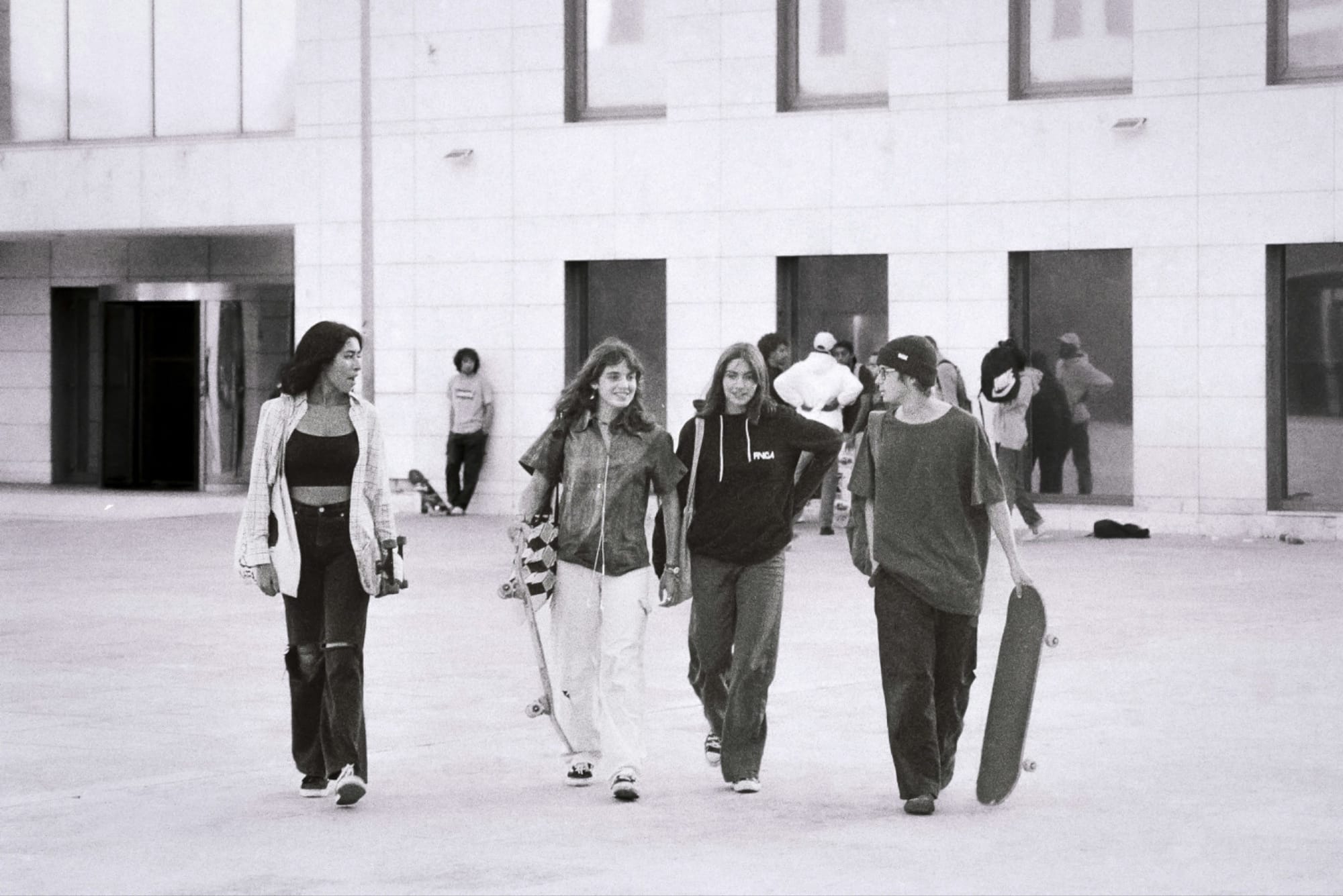
Photo by Ummano Dias on Unsplash
How Millennial Slang Has Influenced The English Language
Millennial slang has significantly impacted the English language. Words like "lit," "woke," and "ghosting" were once confined to internet forums and social media but are now used in casual conversations, media, and even corporate settings. Shows like Brooklyn Nine-Nine and The Big Bang Theory helped bring these terms to a broader audience, and terms like "woke" or "cancel culture" now reflect the generation's values around awareness and accountability.
Despite its widespread acceptance, some argue that slang can dilute the precision of language, and the rapid pace of its evolution can leave some people behind. Still, these shifts highlight how dynamic and adaptable language really is.
Millennial Slang vs. Gen Z Slang: What's the Difference?
It's easy to lump all internet slang together, but millennial generation slang and Gen Z slang actually come from different eras of the internet. Per Pew Research Center, millennials were born between 1981 and 1996, while Gen Z covers those born from 1997 onward, and that gap explains a lot about the difference in vocabulary.
Millennial slang grew up on MySpace, early Facebook, and Twitter, and tends to lean ironic and self-aware, think "sorry not sorry" or "first-world problems." Gen Z slang, shaped by TikTok and Snapchat, leans more absurdist and fast moving, think "rizz" or "bussin'," and tends to rise and fall within a single trend cycle rather than sticking around for years. Some words, like "no cap," "bet," and "lit," are shared by both generations, proving slang doesn't always stay neatly inside generational lines.
Conclusion
Millennial slang has undeniably transformed English, making it more dynamic and reflective of contemporary culture, from everyday conversations to media and digital communication.
To keep up with the latest slang and language trends, check out Lingopie. Lingopie helps you learn and practice a language through engaging content, like TV shows, movies, and documentaries.
Ready for more? Explore 40 Oxymoron Examples That Make Perfect Sense or discover how the shadowing technique boosts language learning.

Photo by Brooke Cagle on Unsplash
FAQ
What is millennial slang?
Millennial slang refers to the informal words and phrases popularized by people born between 1981 and 1996, emerging largely from early social media, pop culture, and TV. Terms like "adulting," "FOMO," and "on fleek" are classic examples still recognized today.
What are the most common millennial phrases?
Some of the most common are "sorry not sorry," "Netflix and chill," "throwing shade," "on fleek," and "YOLO," phrases that express humor or irony in just a few words.
How is millennial slang different from Gen Z slang?
Millennial slang grew out of early Twitter and Facebook and leans ironic and self-referential, while Gen Z slang comes from TikTok and moves faster. Some words, like "no cap" or "bet," are shared across both generations.
Is millennial slang still used today?
Yes, many terms, like "adulting," "ghosting," and "FOMO," are now mainstream across generations. Others, like "on fleek" or "bae," are used more nostalgically today but still widely understood.
Where did most millennial slang words come from?
Most came from early social media, hip-hop and pop music, reality TV, and viral memes, reflecting the first generation to grow up fully online.