

![12 Best Japanese TV Shows To Learn Japanese [2026]](/blog/content/images/size/w1200/2023/09/C-pia-de-imgs-blog---Spanish-1--10-.png)
If your playlist jumps from J-pop stages to late-night dorama binges and then straight into a weekend anime spiral, you’re already living inside Japanese TV culture. You know the catchphrases. You recognize the honorifics. You’ve probably repeated a dramatic “uso!” or “majide?” without even thinking about it.
The good news here is that this exposure is exactly how you start to learn Japanese. The more time you spend watching Japanese TV shows, the more your ear adjusts to natural pacing, everyday vocabulary, and the way sentences actually flow in conversation.
If you're looking for the next show to watch, this guide will help you find Japanese series guaranteed to improve your skills and expand your vocab with every episode. Let's begin!
- 26+ Crazy Cute Japanese Words You Must Understand
- 6 Best Japanese Translation Apps For Learners [TESTED]
- 6 Best Japanese Language Apps Worth Trying This 2026

How To Watch Japanese TV Shows
If you want to start watching Japanese TV shows right away, the easiest route is major streaming platforms. Netflix, Prime Video, and Disney+ carry a growing catalog of popular J-dramas, anime hits, and even some variety content. For trending titles and mainstream releases, you usually won’t need anything complicated.
For niche dorama, older classics, regional variety shows, or idol programs, things get trickier. Some content is region-locked to Japan. In those cases, viewers often use a VPN to access Japanese libraries or rely on specialty streaming sites that focus on Asian content. Availability changes often, so it’s worth checking a few platforms before you commit.
Here are some of the most recommended platforms among fans of Japanese series:
- Lingopie: Best for learning Japanese with dual subtitles and interactive tools
- KissAsian: Best for free access to a wide range of Asian dramas
- WeTV: Best for trending Asian dramas and reality shows
- Jme TV: Best for official Japanese variety shows and news content
- Asian Crush: Best for curated Asian films and cult Japanese titles
If you want a deeper breakdown of Japanese TV streaming options, regional access tips, and platform comparisons, check out our comprehensive guide to the best platforms for watching Japanese TV shows. It covers where to stream legally, how to access Japanese libraries, and which services are most useful if your goal is to learn Japanese through real content.
Best Japanese TV Shows To Learn Japanese
Ready to hit play on your next best Japanese show yet? Below, you’ll find 12 Japanese TV shows across anime, J-drama, and variety that are perfect if you want to learn Japanese while bingeing content you actually enjoy. For each series, we’ll break down what it’s about and, more importantly, why it works for language learners.
The Makanai
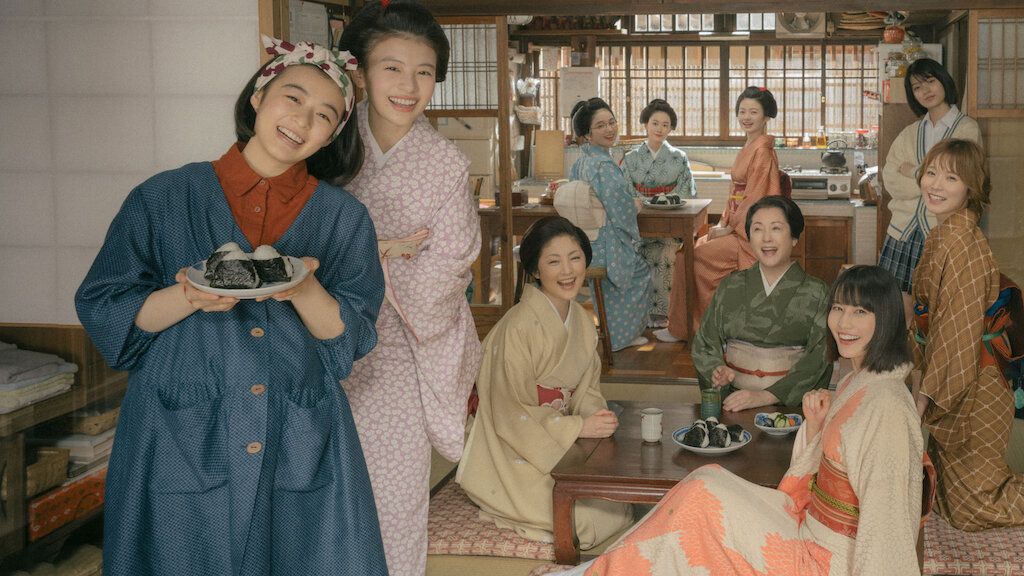
The Makanai: Cooking for the Maiko House is a quiet, beautifully shot Japanese TV show set in Kyoto’s geisha district, following two teenage girls training to become maiko. One pursues the traditional path of dance and performance, while the other becomes the makanai, the cook who prepares daily meals for the house.
The dialogue in this Japanese TV show leans heavily on polite forms, soft-spoken exchanges, and Kyoto-specific phrasing that reflects the hierarchy inside an okiya. You’ll hear consistent use of honorifics like -san and -chan, formal verb endings, and food-related vocabulary repeated naturally across episodes.
Because conversations revolve around daily routines, meals, and training, key phrases come up again and again, which makes them easier to retain. If you want to learn Japanese with a strong cultural context, this series gives you exactly that.
Doraemon

Doraemon follows a robotic cat sent from the future to help Nobita, a well-meaning but unlucky kid who keeps landing in trouble. Each episode centers on a problem at school or home, solved with one of Doraemon’s gadgets that usually makes things worse before they get better. It’s one of the most iconic Japanese TV shows ever made, and it’s still airing today.
For anyone trying to learn Japanese, this series works for both kids and adults. The language is clear, sentences are short, and everyday vocabulary is repeated often, which makes it easy to follow even at a beginner level. Adults benefit too because the show reflects real family dynamics, school culture, and social behavior in Japan.
If you want a low-pressure way to build listening skills, Doraemon is surprisingly effective.
Gokusen

Looking for a classic? Gokusen follows Kumiko Yamaguchi, a young teacher with a secret. She comes from a yakuza family, yet she’s determined to guide her class of delinquent boys toward a better future. The series blends school drama with comedy and bursts of action. It’s one of those Japanese TV shows that became iconic for its strong female lead and unforgettable classroom speeches.
For learners, Gokusen is great if you want exposure to rougher, more casual speech. You’ll hear Japanese slang, tough-guy phrasing, and informal sentence endings mixed with standard teacher language. That contrast helps you understand how Japanese shifts depending on status and setting.
First Love
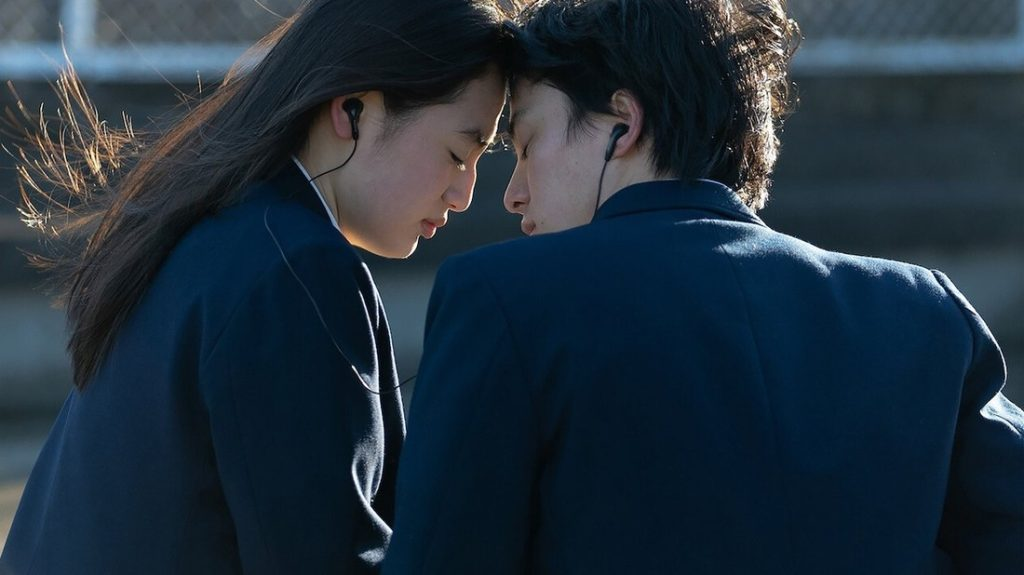
First Love is a sweeping romance inspired by Hikaru Utada’s songs, following two people whose lives keep drifting apart and back together over decades. The story moves between high school memories and adult realities, so you see both youthful innocence and mature regret. It’s cinematic, emotional, and grounded in everyday Tokyo life.
For learners, this series is great for emotional clarity and clean delivery. The dialogue is slower and more deliberate, which helps you catch sentence endings and key phrases. You’ll hear natural expressions for love, doubt, longing, and missed chances.
The Many Faces of Ito

The Many Faces of Ito follows four women who share their complicated experiences with the same man, Ito, while a sharp-tongued screenwriter listens in and turns their stories into material. Each episode shifts perspective, so you see the same situation through different personalities and emotional lenses.
What makes this series useful to learn Japanese is the emotional vocabulary. You’ll hear people explain misunderstandings, complain about partners, question their own decisions, and unpack feelings in detail. The dialogue is conversational and natural, with lots of casual forms, fillers, and reactive phrases you actually use in real life. Each woman speaks differently here as well, so you get exposure to varied tones and speech patterns instead of just one style.
Alice in Borderland

Alice in Borderland follows Arisu and his friends after they’re transported into an empty, parallel Tokyo where they must compete in deadly games to survive. The tone is intense, fast-paced, and suspenseful from the first episode. Unlike slice-of-life Japanese TV shows, this one thrives on tension and psychological pressure. It feels closer to a live-action anime survival arc.
For learners, this series sharpens your listening for urgent, emotional speech. You’ll hear commands, strategy discussions, quick reactions, and raw expressions of fear and determination. The dialogue moves faster than a typical J-drama, which pushes your comprehension skills. Since it’s also a new-ish show, you can also expect updated Japanese slang terms in each episode!
Boys Over Flowers

If you’ve been in J-drama fandom long enough, Boys Over Flowers is basically required viewing. Elite academy. Ultra-rich F4. A stubborn heroine who refuses to bow down. The tension is loud, dramatic, and emotionally messy in the best way.
Language-wise, this show is great for romance and social hierarchy. You hear sharp insults, dramatic confessions, honorific shifts, and the way status affects speech. Tsukushi’s blunt tone clashes with the polished, privileged way the F4 speak, which makes differences in formality easy to spot.
Midnight Diner: Tokyo Stories
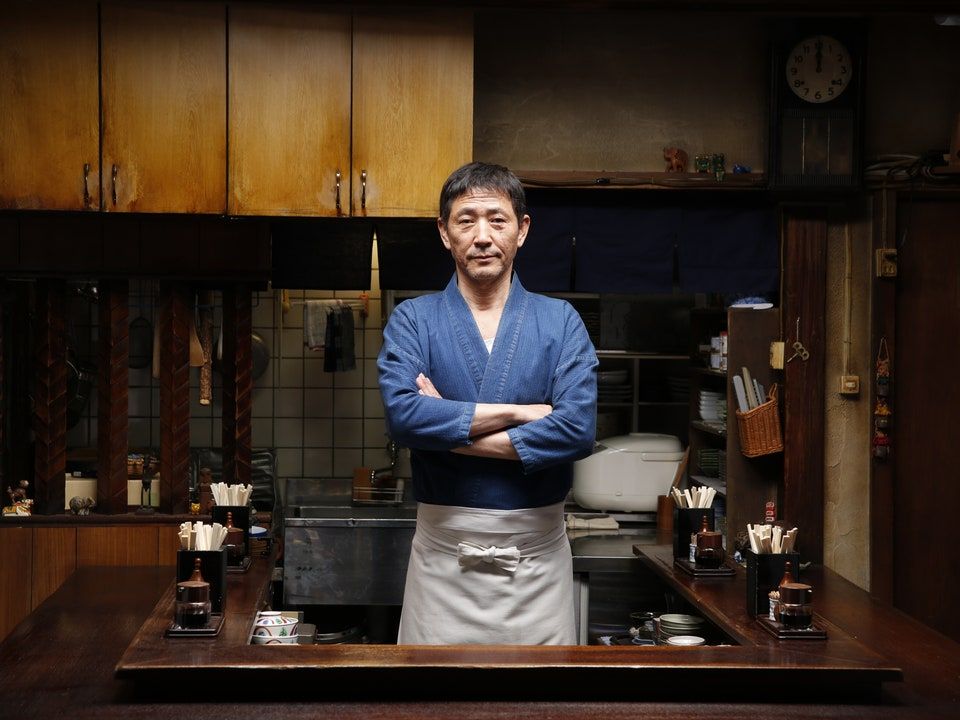
Midnight Diner: Tokyo Stories is quiet, intimate, and built around a tiny late-night restaurant that opens from midnight to 7 a.m. Each episode centers on a different customer and the simple dish they request, with their personal story unfolding over food. Among Japanese TV shows, this one feels the closest to sitting in on real adult life in Tokyo.
If you want to learn Japanese that sounds natural and mature, this is a strong pick. The dialogue is slower, reflective, and packed with everyday expressions used by working adults. You hear how people talk about regret, routine, family, and small victories without dramatic exaggeration. It’s ideal for training your ear to conversational Japanese that feels lived-in and authentic.
The Naked Director

The Naked Director is messy, ambitious, and loud in a way most Japanese TV shows aren’t. It follows Toru Muranishi as he crashes into Japan’s 1980s bubble economy and refuses to play by the rules. Every episode feels like someone betting everything on the next risky move. The energy is chaotic on purpose.
If you’re trying to learn Japanese, this one trains your ear for confrontation and persuasion. Characters interrupt each other. They pitch ideas fast. They argue, negotiate, and push back without softening their words. You don’t just hear polite textbook Japanese here, you hear ego, pressure, and ambition in real time.
Samurai Gourmet

This is the kind of Japanese TV show you put on when you want to breathe. A retired salaryman walks into small restaurants around Tokyo and orders whatever catches his eye, while imagining a fearless samurai version of himself cheering him on. There’s no dramatic twist waiting. Just food, hesitation, and quiet satisfaction.
For someone trying to learn Japanese, this series is almost sneaky. The conversations are simple, so you'll learn phrases for ordering food, asking questions, and reacting politely. The language isn’t exaggerated or emotional too so it sounds like real adults talking in everyday situations.
Nodame Cantabile

If you love chaotic genius energy, Nodame Cantabile delivers. The story follows Chiaki, a perfectionist music student aiming for the world stage, and Nodame, a wildly talented pianist who plays by instinct and lives in beautiful chaos. Set inside a conservatory, the series mixes romance, rivalry, and orchestra rehearsals that feel almost cinematic.
From a language perspective, this one hits a different register. You’ll hear passionate debates about art, blunt criticism during rehearsals, and fast back-and-forth banter between strong personalities. The contrast between Chiaki’s sharp, disciplined speech and Nodame’s quirky, informal way of talking makes tone shifts easy to notice. If you want to learn Japanese that captures ambition, frustration, and creative obsession, this series gives you that edge.
Kantaro: The Sweet Tooth Salaryman

Kantaro: The Sweet Tooth Salaryman follows a straight-faced office worker who secretly ditches sales calls to hunt down the best desserts in Tokyo. On the surface, he’s the model employee. In reality, he’s sprinting across the city for parfaits, dorayaki, and impossibly photogenic cakes. Each episode turns a single sweet into a dramatic, almost spiritual experience. It’s absurd, over-the-top, and fully committed to dessert worship.
Language-wise, this show is great if you want exposure to descriptive Japanese. Kantaro narrates flavors, textures, and emotions with dramatic intensity, which means you hear rich adjectives and sensory vocabulary in context. There’s also plenty of workplace Japanese in the background, from polite office talk to client-facing language.
FAQs
What is the most famous series in Japan?
One of the most famous and longest-running series in Japan is One Piece, which has dominated manga, anime, and pop culture for decades. Alongside it, Doraemon is considered a national icon, especially across multiple generations.
Who is the Big 5 anime?
The “Big 5” usually refers to One Piece, Naruto, Bleach, Dragon Ball, and Demon Slayer, though older fans sometimes swap Demon Slayer for Attack on Titan depending on era and impact.
Can I learn a language by watching shows on Netflix?
Yes, watching shows on Netflix can be a great tool for language learning. By immersing yourself in authentic content, you can improve your listening skills, expand your vocabulary, and familiarize yourself with native accents and cultural nuances.
Can Lingopie help me learn Japanese from TV?
Absolutely! The Lingopie app is designed to help you learn Japanese by immersing yourself in authentic Japanese content. With Lingopie's dual subtitle feature, learners can compare the English and Japanese translations, expanding their vocabulary, improving pronunciation, and gaining a deeper understanding of the Japanese language.
Want to Learn Japanese With Japanese TV?
You already love Japanese TV shows. You binge the dramas. You rewatch anime scenes. You mouth the lines before the subtitles appear. But if the subs disappeared tomorrow, how much would you really catch?
That’s the difference between watching and learning.
Most platforms make you work too hard. Pause. Screenshot. Look up words. Break the mood. By the time you understand the line, the scene is gone.
Lingopie lets you stay inside the story. Click a word and see what it means instantly. Replay the exact line. Save phrases straight from the episode. You’re still watching your favorite Japanese series, but now you’re training your ear every minute.
If you’re going to spend hours with Japanese TV anyway, you might as well come out of it understanding more than “uso.” Click below to get your free 7-day trial!






![Japanese Honorifics: 10+ Titles You’ll Actually Use [GUIDE]](/blog/content/images/size/w300/2026/03/Japanese-honorifics.jpg)