


Have you ever wondered what studying Japanese is really like once you’re actually in Japan?
Studies show that language immersion significantly improves fluency and confidence compared to classroom learning alone. That’s exactly what I experienced when I traveled to Japan in 2017 after years of studying the language. Spending one month there completely changed how I understood and used Japanese in real-life situations. In this article, I’ll share five key things I learned about the Japanese language during my trip — from new vocabulary to surprising cultural insights that textbooks don’t teach.
Setsubun Festival 2026: Learn Japanese Through Japan’s Wildest Bean-Throwing Tradition
100 Common Japanese Phrases For Tourists (With Pronunciation)
Tanabata Festival Guide +15 Japanese Words You Should Know

What did I learn about Japanese in Japan?
1.You don't need to say hello when buying something
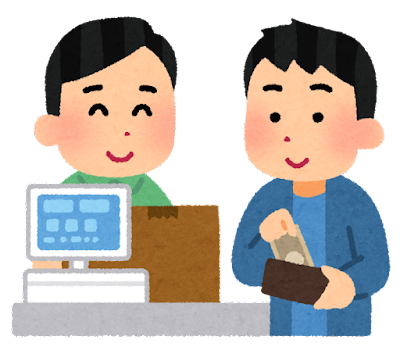
As weird as it may sound, you that you don't need to greet the cashier or anyone at the convenience store or at the supermarket. You may even think that's rude.
In Japan, clients aren't expected to say any greetings words when paying at the cashier. You're free to ask questions about prices or products, but don't feel pressured to say こんにちは konnichiwa to the cashier. Workers at the store are not expecting the client's greetings, so you may relax knowing you won't be considered rude over there.
"But, what if I want to say こんにちは to the cashier?" you may ask. Well, in most cases he or she will be surprised and answer back with another こんにちは like you normally do with other people. And then he or she will serve you as normal.
In another scenario, the cashier's might look suprised, not exacly because it is not common to greet, but also because you are a foreigner speaking in Japanese! In that case, the cashier may even tell you 日本語、上手ですね (Nihongo, jōzu desu ne), "You're good at Japanese".
2.Questions in Japanese, answers in English
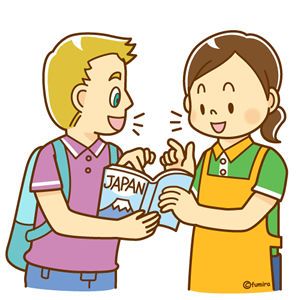
This is like a classic thing to happen when you're a foreigner in Japan. When you speak in Japanese and you don't look like a Japanese, some people in Japan may speak to you in English, despite your fluency. Have you ever wondered why does that happen?
There are many reasons why this happens and they may vary from person to person, but the most common one is that they want to practice their English with a native speaker (or someone who doesn't look Japanese). Although English is taught at Japanese schools, the chances to speak with natives are rare, so they don't miss that golden opportunity. I remember being at a pub and whenever I asked something in Japanese to the bartender, he replied in English, despite my japanese being correct.
What's funny, though, is that if there is a person who is Japanese or Japanese-looking, they may speak directly to them in Japanese and ignore the non-Japanese ones. That happened once during my visit to Yokohama.
However, sometimes, they may apologize and start speaking to you in Japanese. When a travel companion and I were traveling from Hiroshima to Tokyo on a shinkansen (新幹線, bullet train), a steward told us in English that our train travel pass didn't include express lines and we had to change lines at the next station. I replied with a わかりました (wakarimashita, understood) and he asked me very surprised if I could speak in Japanese. I said yes and he apologized for speaking in English. Then, he repeated the advice, but now in Japanese.
If this ever happens to you during your travel and you want to speak in Japanese, say 日本語でお願いします (Nihongo de onegaishimasu), which means "In Japanese, please".
3.There is a Kanji museum in Kyoto
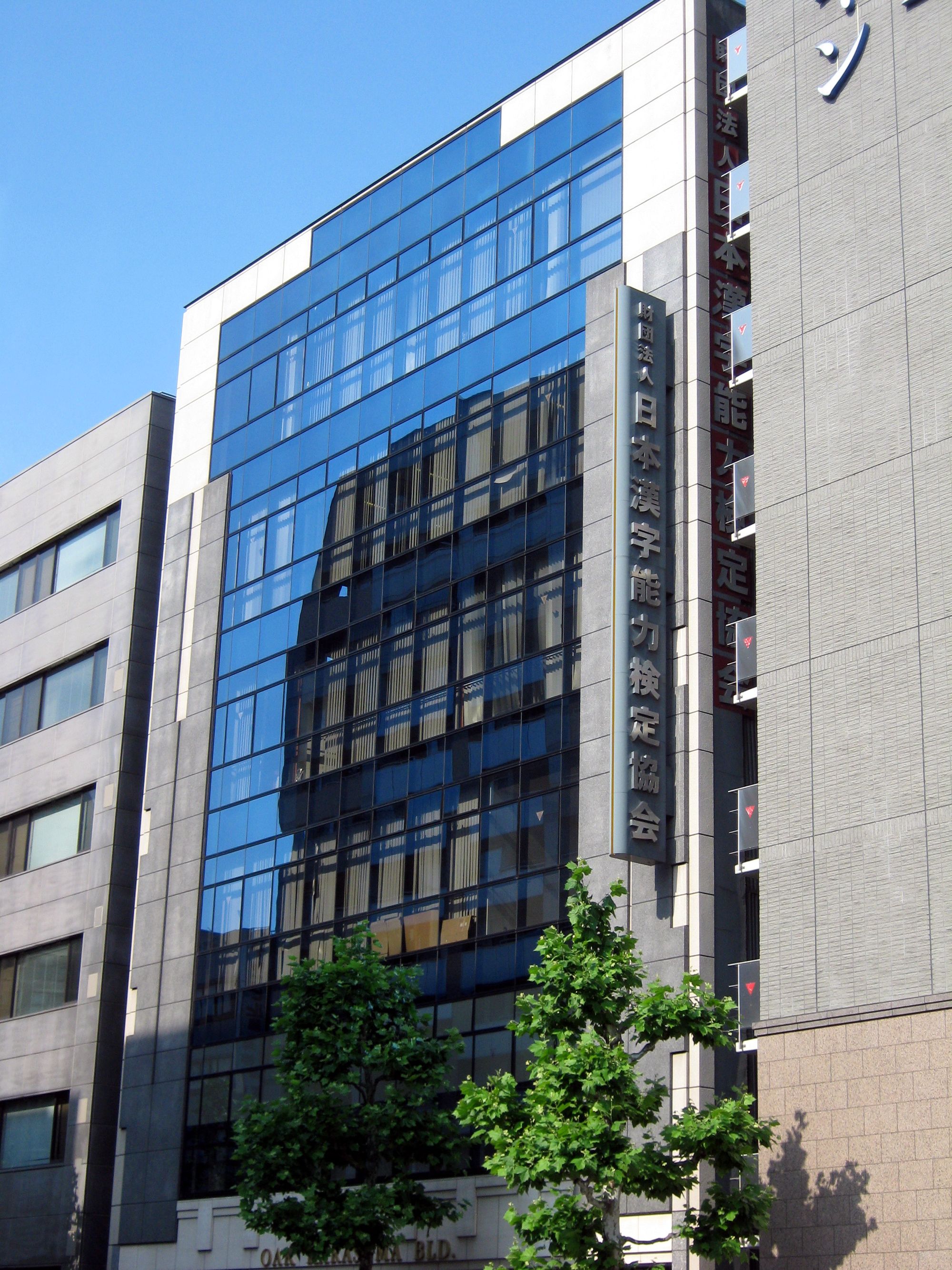
If you love Kanji as much as I do and you want to know more about its history, don't think it twice and visit the Kanji Museum (漢字ミュージアム, Kanji Myūjiamu)in Kyoto. This place is a must visit for any Japanese learner.
When you enter the museum, first you watch some movies about the origins of Kanji. Then, you learn about the first syllabary created with Kanji, the Man'yogana (万葉仮名) and you can write your name with this script! Then, you can play some games with Kanji and if you are with a partner is even funnier! The museum staff is very kind too.
What I learned from this museum is that some words that are written in Hiragana can be written in Kanji too. Nevertheless, those are a rare find since Japanese people get used to write them in Hiragana. For example, the word for apple, りんご (ringo), is written 林檎 in Kanji. In one of the games, you have to match words in Hiragana with Kanji and it was very hard for me because they were special readings or words that I haven't ever seen them written in Kanji!
4.Japanese is different in each region
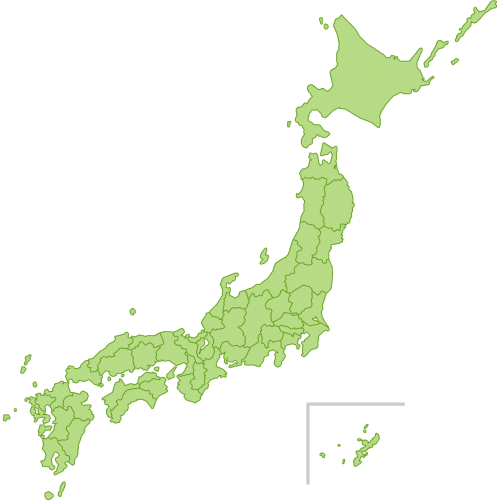
During my trip to Japan, my group and I visited many places throughtout the country, like Tokyo, Kyoto, Yokohama or Osaka. But also we visited other small places where tourists (mainly from America, Europe and other countries around the globe) usually don't go, such as Tozawa or a small school near Kobe.
When we were visited different places and regions, I could notice that the Japanese spoken wasn't always the same that was spoken in, for example, Tokyo. There were differences in intonation, pronunciation and even reginal words. In Kobe, people pronounce words different. In addition, we learned some words in Kansai dialect from our kind Japanese Kyoto expert guide. For instance, to say "thank you" in Kyoto, you say おおきに (ōkini).
A wonderful experience to expand your knowledge in Japanese.
5.The word 免税 (menzei).

I learned this word very often when shopping. 免税 means "duty-free". This was very important if you want TAX Refund.
If you’re shopping and find something you want to buy, don’t forget to ask, “menzei ga dekimasu ka?” (免税ができますか?), which means “Can this be made duty-free?” If the store offers tax-free shopping, the staff will usually take your passport and attach the receipt inside it. Then, when you leave Japan, airport staff will remove those receipts before your flight. It’s a simple step, but it can save you money — so it’s definitely worth remembering.
I did this in big department stores, like Yodobashi Camera. Don't forget to do it!
Keep Experiencing Japanese Beyond Your Trip
You’ve seen how different Japanese feels when you’re actually in Japan — when a cashier smiles and says “Nihongo jōzu desu ne” (Your Japanese is good), when someone suddenly switches to English mid-conversation, when a Kyoto local says “ōkini” (thank you in the Kansai dialect) instead of arigatō, or when you finally recognize the word “menzei” (duty-free) while shopping.
But reading about these moments and hearing them in real conversations are two completely different things.
That’s where Lingopie comes in.
With Lingopie, you don’t just study Japanese — you experience it. You can click on any word while watching a Japanese show and instantly see its meaning, pronunciation, and usage. Every sentence is spoken naturally, with the tone, speed, and regional differences you’d hear in Japan itself.
So instead of memorizing vocabulary lists, you start recognizing real expressions in real contexts — just like you would during a trip.
No textbook gives you that.
No phrasebook recreates that.
But a 7-day free trial might.
Watch your first Japanese show for free and keep your immersion going — no plane ticket required.
To sum up.
As you can see, a travel to another country isn't just going from point A to point B. There is much more to it, such as new experiences involving people, cultures and, in this case, languages. You may or may not speak the language of the place you go, but always you learn something about it. If you already know the language, take the chance to improve it and know facts you didn't know.
Did you know that we have travel to Japan shows on Lingopie? You can know new places in Japan before your travel, learn valuable information about them and also learn Japanese while watching! Sign up and start your free trial today!
Let's answer some questions.
1.Should I learn Japanese for a trip?
Absolutely. We know that English is widely spoken around the world and you can communicate with people in Japan at airports and hotels, for example. However, you should know that not all Japanese speak English and in some cases there may be misunderstandings. Also, English is spoken in big cities like Tokyo or Kyoto, but if you want to explore the inner Japan, English is barely spoken or not spoken at all. But what's more important is that Japanese connects you with the Japanese culture, whereas English doesn't. Remember: languages have a culture and way of thinking inside them. So, a little bit of Japanese for your trip is certainly good for your experience.
2.What Japanese terms should I know for travel?
If you are traveling to Japan, you don't need to study Japanese from start to finish. Concentrate on phrases that you find useful for your travel, like asking questions at a restaurant or asking directions. Try to imagine which situations are more likely to happen during your travel. Also, you don't need to learn the script since most situations require conversation, but if you're interested in learning some Japanese writing, then do it. It may be useful too.
3.Why traveling is a learning experience?
Because we're always learning. Every human experience is a moment in which you can learn something. Traveling is no exception. You can learn not only about the place you go, but also the culture, the people, the food, customs and, of course, the language, just to name a few. So, take your travel as another step in your Japanese learning adventure.
4.What is good to learn from Japan?
Japanese isn't the only good thing you can learn from Japan. When learning its language, you'll find other good and interesting things to learn, like customs, food, traditions, etc. For example, Japanese discipline, diligence and strong work values or Japanese cuisine. Maybe, you may apply those new good things in your daily life.
Related posts:
 Milena Andrade
 Betül Dağ
 Lorena Macedo


![Japanese Honorifics: 10+ Titles You’ll Actually Use [GUIDE]](/blog/content/images/size/w300/2026/03/Japanese-honorifics.jpg)