
Have you ever got lost in the immensity of Topik textbooks that you dont even know where to start? As a Korean Learner I spent countless times in Korean Kyobo checking every single book available and trying to figure out which ones would bring me closer to my Topik score goals.
I know how frustrating it can be to be points away from the grade you are aiming for, but let me share with you what I have found out from years studing korean, and even graduating the Advanced korean Language Program In Dankook university!
How Long Does it Take to Learn Korean? Guide + Tips
11+ Best Shows On Netflix To Learn Korean
Best Youtube Channels To Learn Korean (from Beginners to Advanced learners)

Take a Mock Test
Wait ain't I supposed to recommend you korean textbooks, why am I telling you to go ahead and take a mock up test? I know it does sounds confusing, but the biggest tip I can give you is: your weakness is your best teacher.
By taking a mock test under test conditions, you will be able to point out which area you are currently lacking. Is it vocabulary? Is it grammar? Is it listening? Is it time management? Those are questions that only by doing the test you will be able to answer. The less you know about your weakness, the last strategic and, honestly, the less effective your studies will be.
How to Take a mock exam properly:
1- Use a permanent marker with dual tips, thin and thick sides and bring a correction tape. Those are the materials you will be able to use at the test, so it's best be used to beforehand.
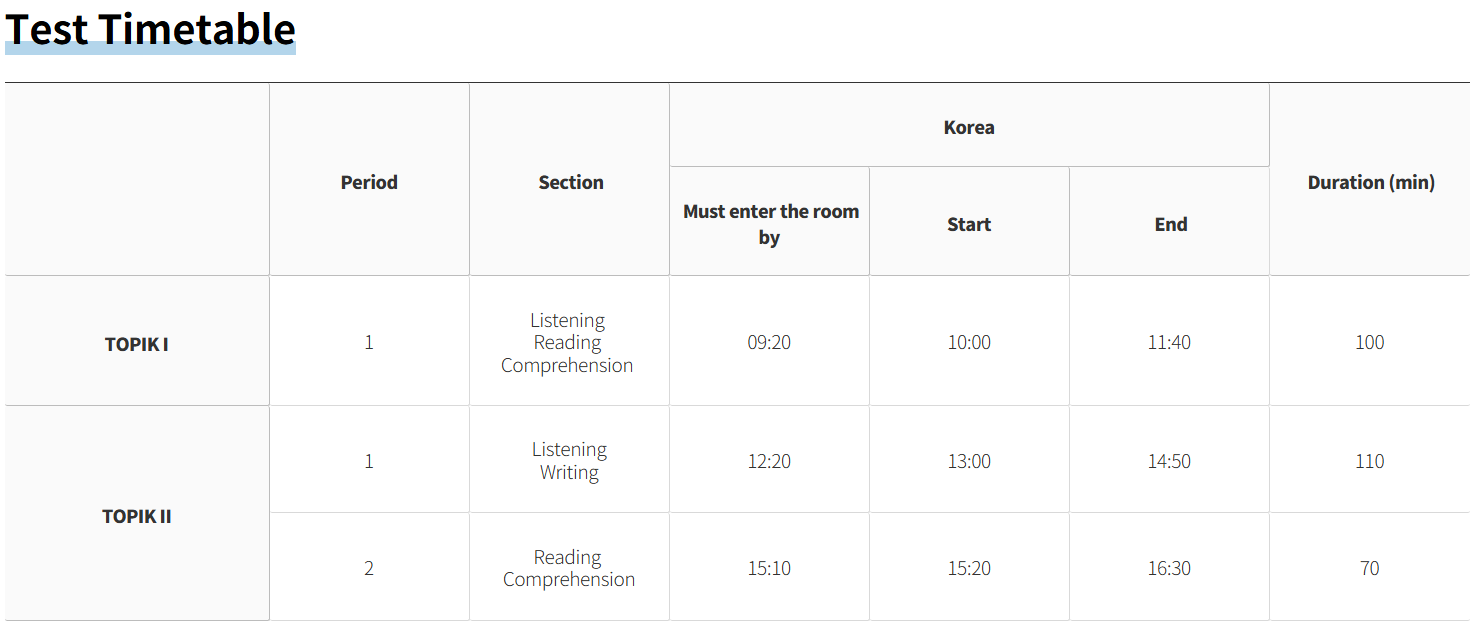
2- Follow the same order as in the test: Listening, Writing and then Reading. All those sections are stricly timed, and the avaluators will not provide you with any extra time. Not following their instructions can get you eliminated from the test. The listening part will be easy to follow through you can easily find many past paper audios available in topik's official website. For the Writing and Reading sections, use a timer to match respectively 50 and 60 minutes.
3- After finishing the mock exam, write down how are you feeling. Are you exausted? Did you feel you couldnt understand anything? Did it feel too hurry? Analysising your emotional realmth is crutial to set good strategies later on.
4- Check your score and which questions did you made more mistakes. Topik is a highly structurated test, knowing which questions had the most errors can point out which sections you need to study and practice more. In addition check which area was the hardest: listening, writing or reading. Once you have that figure it out, you can check our list of textbooks recommended for each area.
5- Analyse why you made those mistakes. Although figuring out the areas that need improvement is already great, if you don't understand why those mistakes happened, you will be doomed to repeat the same patern of error. It took me a while to get this, if I knew it sooner my studies would be way more effective. Ask yourself the following questions and I will give you the area you need to focus on:
- Was it too fast? → You need Time Management skills
- I couldn't understand much? → You need to build vocabulary + higher your vocabulary recognition (yes, those are two different things)
- Did I make mistake on the same kind of questions? → You need better test awareness.
- Was it too tiring? → You need more test practice + Tips to solve questions faster.
6- Set a strategic study plan. No more randomly answering questions or getting the first topik book you find hoping it will fix everything.
- Time manegement skills : Practice answering the questions on the order they appear. Topik was made to start with the easier questions and go harder as it goes by. Do your best to time your answers in the first 20 questions in between 1-2 minutes and save time for the following ones. If you don't know the answer, just guess any of the alternatives, you wont have time to review them later. My korean teacher used to tell us to choose one letter and just use the same one on all questions we didn't know, since it is more likely one of them will be correct, instead of changing everytime.
- Vocabulary buid + recognition: Try to study vocabulary from books that are target to topik, not just any korean book. Each question has words appear frequently, so focus on those instead of just daily korean words. Another tip is to focus on studying with news in korean, since those topics and grammar points are constantly appearing on the test. If you want to go even deeper, focus on books that teach hanja for korean learning. Since many words are derived from hanja, understanding some radicals can help you guess words meanings faster.
- Test awareness: As I mentioned above, topik is well structured. Understand the type of question and answer method you should be using, saves you not only time, but helps you to focus only on the important parts. Focus on books that explain you each section of the test and how to solve it.
- Test practice: Currently, TOPIK does not publish all the tests that were administered during the year. Although there are many tests published, you might run out of tests after a few months of studying, so look for mock tests books. Those simulate the same test style and you can get extra practice.
Textbooks Recommendations for Topik II:
Now that you know everything you need to improve, let's get to business! These are all my personal picks but also books that I have used on my topik studies.
Some Korean textbooks (including a few from this list) can actually be found for free through the King Sejong Institute e-library. If you can’t find the books you need near you or buying an eBook isn’t an option, it’s definitely worth checking their website—there are multiple textbooks available online for free, including full series used in official Korean courses.
Topik Textbooks For Listening and Reading Practice:
YTN News (Korean Edition)
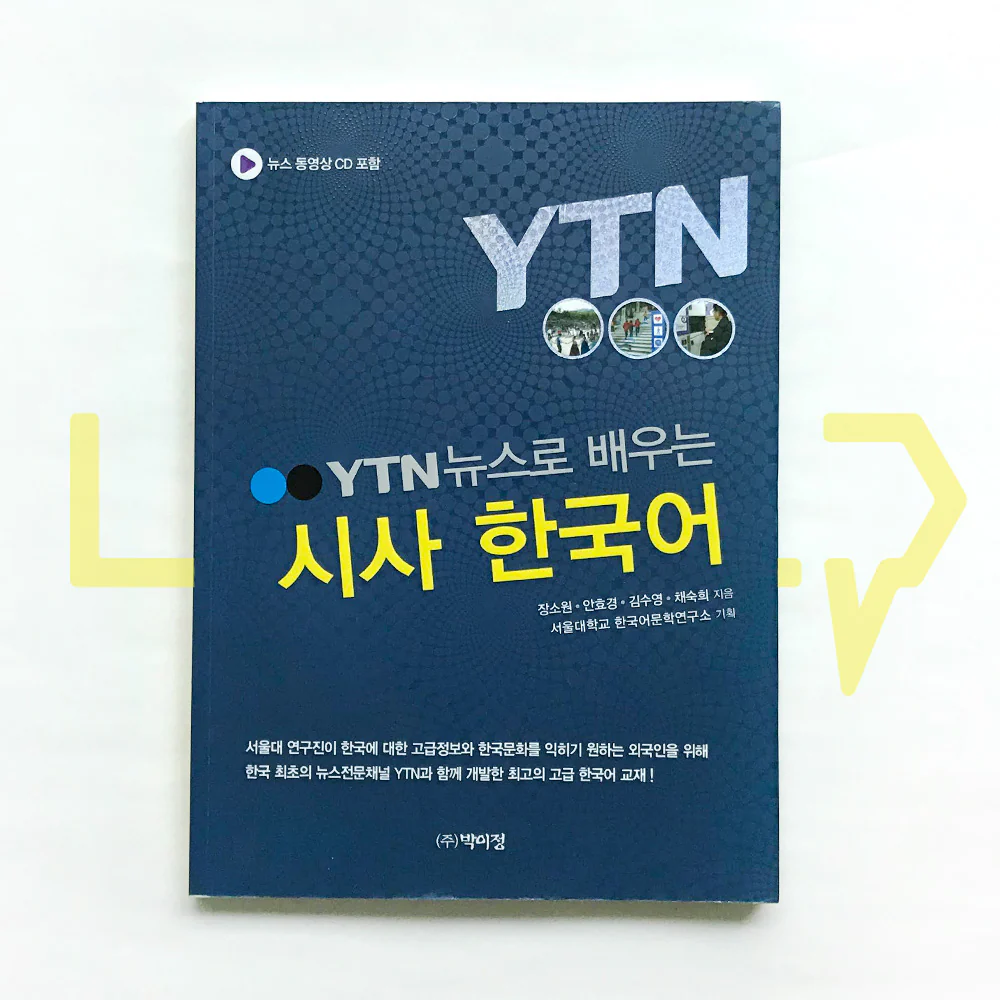
What makes YTN especially useful for learners is that they publish a dedicated book for learning Korean through news created by researchers from Seoul National University in collaboration with YTN, Korea’s first news channel aimed at international audiences. The book includes news scripts, comprehension questions, vocabulary lists, and explanations, allowing you to study systematically while following real news content.
The content is organized into four sections based on news themes, with a total of 31 units. Part 1 covers politics and economics, Part 2 focuses on society, Part 3 explores culture, science, and the environment, and Part 4 includes health and weather. B
This is perfect for improving reading, listening, and understanding how Korean is used in real-world contexts. It might be a bit hard for lower intermediate levels, but with practice you should answer the Topik korean news questions with ease!
SNU Korean + 5B
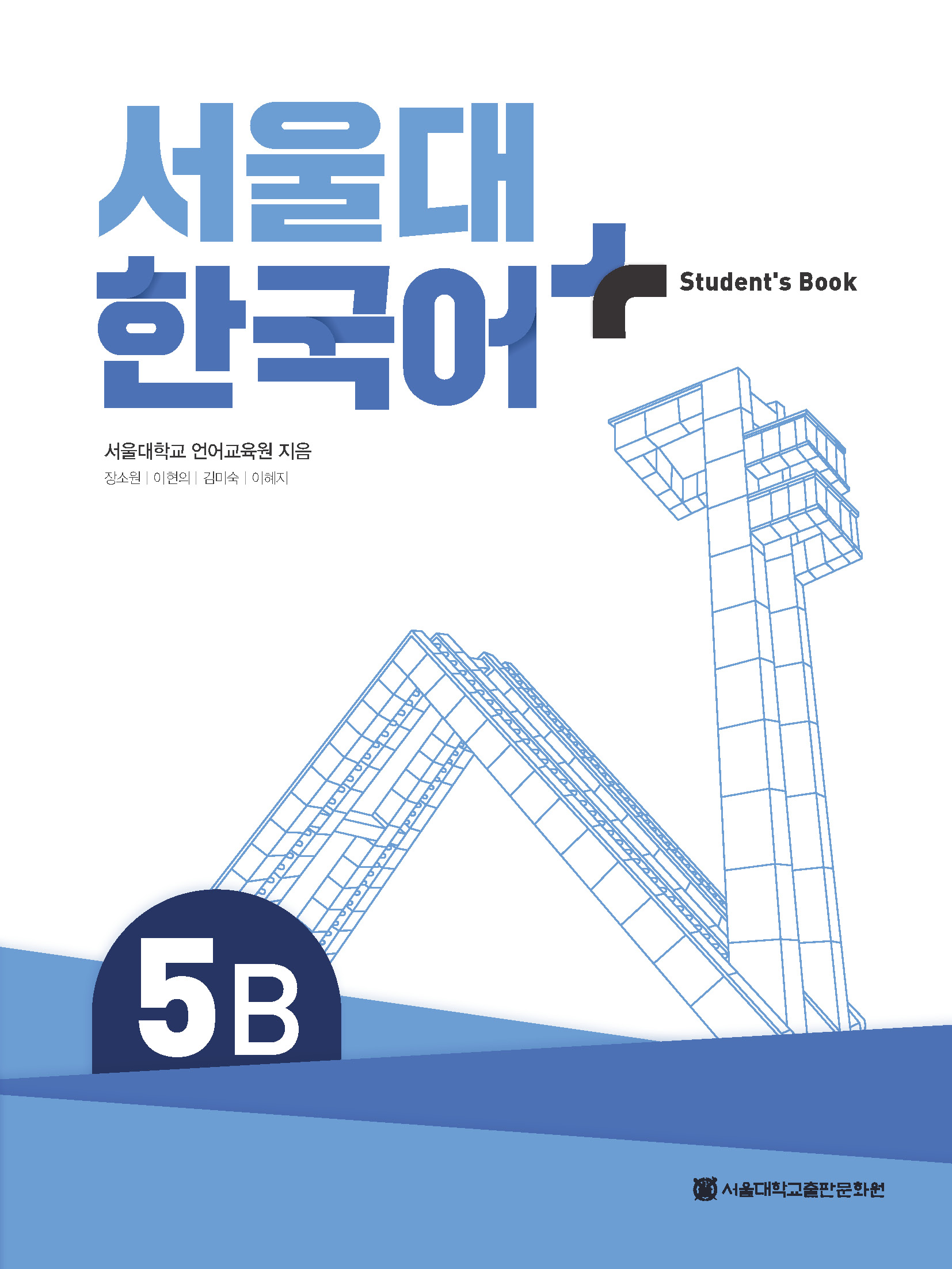
SNU Korean+ is a series of books from Seoul National University’s Korean program. Although it’s designed for classroom use, it also comes with a separate grammar and vocabulary book. The topics, audio recordings, and question patterns all follow the structure of the TOPIK exam. If you’re looking for an all-in-one resource, this is definitely one I highly recommend.
Topik Textbooks For Test Awareness:
Korean Bank TOPIK II if it is one book OK (English Edition)
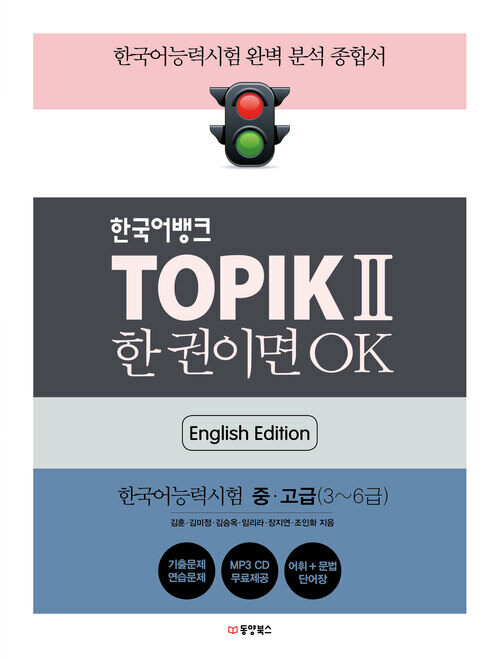
This is my go to Guide for Topik. If you want to understand how the test works, how to solve questions, learn test specific words, this is THE BOOK you are looking for.
2025 Test of Proficiency in Korean TOPIK 2 All-in-One Guide (+ Online Test, Free Online Course)
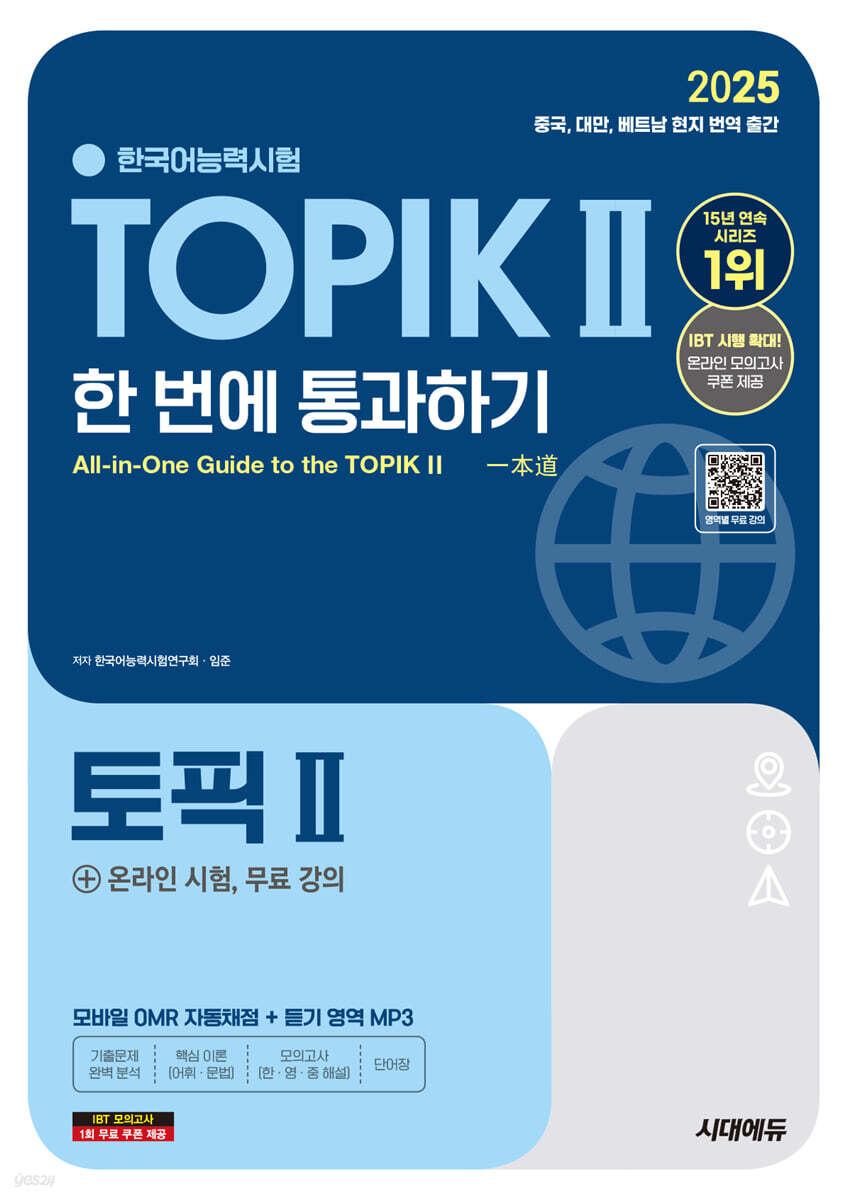
The 2025 Test of Proficiency in Korean TOPIK II All-in-One Guide by Darakwon is a really complete and up-to-date book for TOPIK prep, especially if you are already at a higher intermediate to advanced level. It combines vocabulary and grammar theory, past exam questions organized by type, and mock tests that follow recent exam trends. It also comes with a vocabulary booklet and explanations in multiple languages, making it good for self-study and for covering all areas of the test.
What I really like about this book is that it includes online mock tests, so you can practice in a computer-based format, and it gives access to a YouTube playlist where the teacher explains TOPIK questions and strategies. Compared to the other book I mentioned, this one feels more advanced and less focused on beginners, since it doesn’t rely as much on English. The teacher is also always updating the material, so you can trust that the content stays relevant.
Topik Textbooks For Writing section:
Cracking TOPIK II Writing - Strategies and Mock Tests
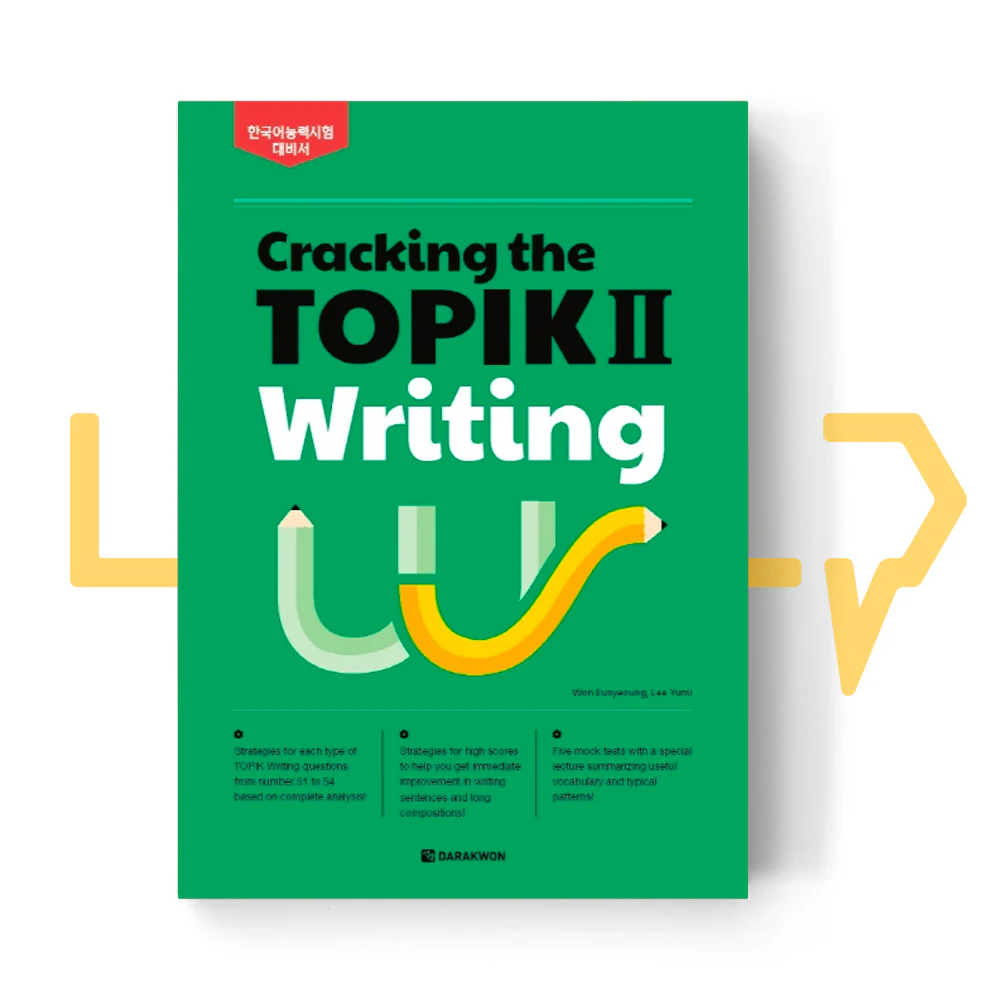
Cracking the TOPIK II Writing: Strategies and Mock Tests by Eunyeong Won and Yumi Lee (Darakwon) is an excellent resource for anyone preparing for the writing section of the TOPIK II exam, especially beginners. The book is specifically designed to cover all four writing tasks (51–54), providing clear, type-by-type strategies, expected question formats, and practical mock tests that help build confidence and proficiency in sentence completion, data description, and essay writing. What makes it particularly useful is its step-by-step guidance—it not only teaches essential grammar points like honorifics and indirect discourse but also shows you how to structure your answers effectively.
If you are new to TOPIK writing, this book is a great starting point, as it helps you develop time management skills, organize your paragraphs clearly, and choose the most appropriate expressions and grammar for each question type.
(한국어능력시험) 토픽 II : 쓰기 = TOPIK II : writing
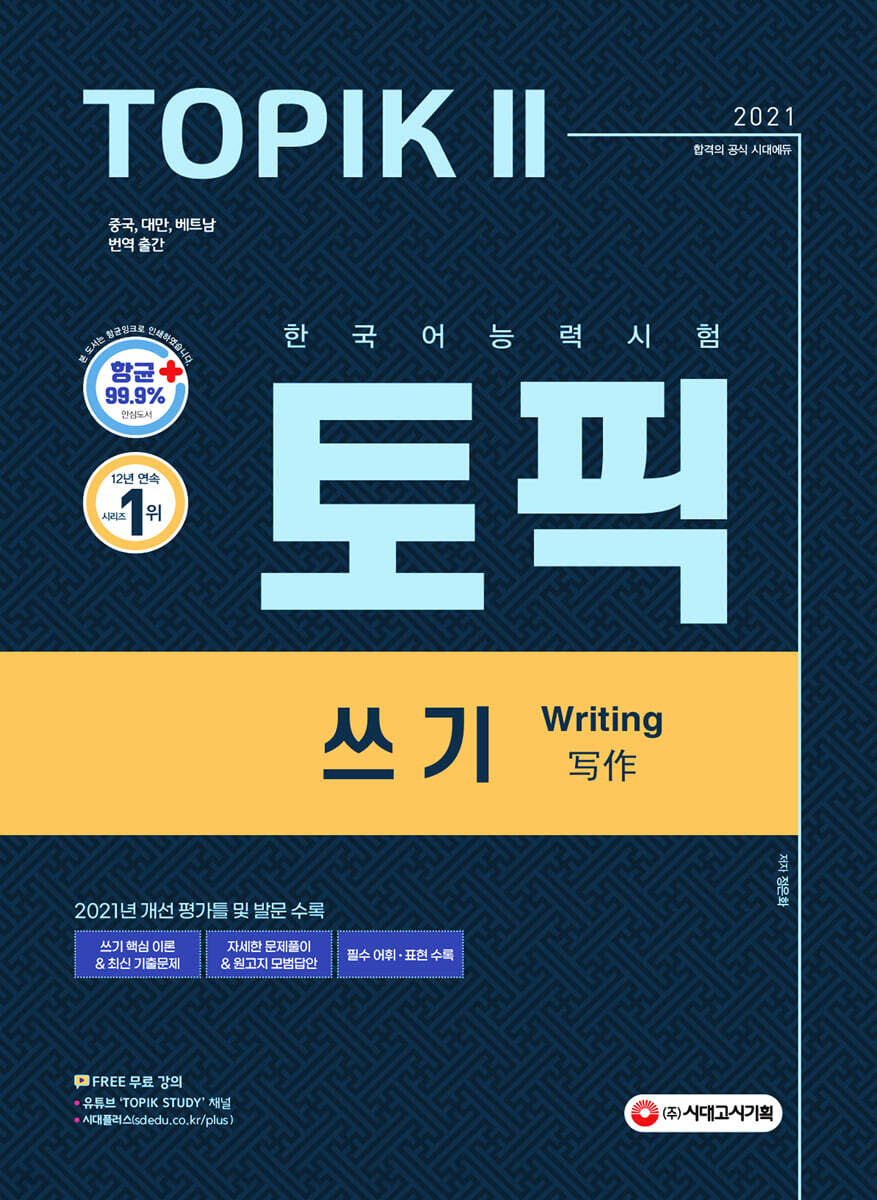
Although there is a 2026 version of this book, this one is available on King Sejong E-Library(yay!)
한국어능력시험 TOPIK II 쓰기 is a focused writing practice book created by Korean language education experts, designed specifically for learners who want to improve their TOPIK II writing skills. The book lets you practice with questions that closely follow real past exam formats, and each question includes useful vocabulary, expressions, and extra notes to help you understand how to answer properly. It also provides recent writing questions and space for 원고지 (essay format) practice, which is really helpful for getting used to the actual test style.
I think this is a great book if you want to drill writing consistently and get familiar with real TOPIK question patterns. Since it focuses only on writing, it’s especially good for practicing repeatedly and building confidence with structure, vocabulary, and expressions. Compared to more strategy-based books, this one feels more practice-oriented, so it works really well if you already know the basics and just need to improve through repetition.
Texbooks to Expand Your Vocabulary:
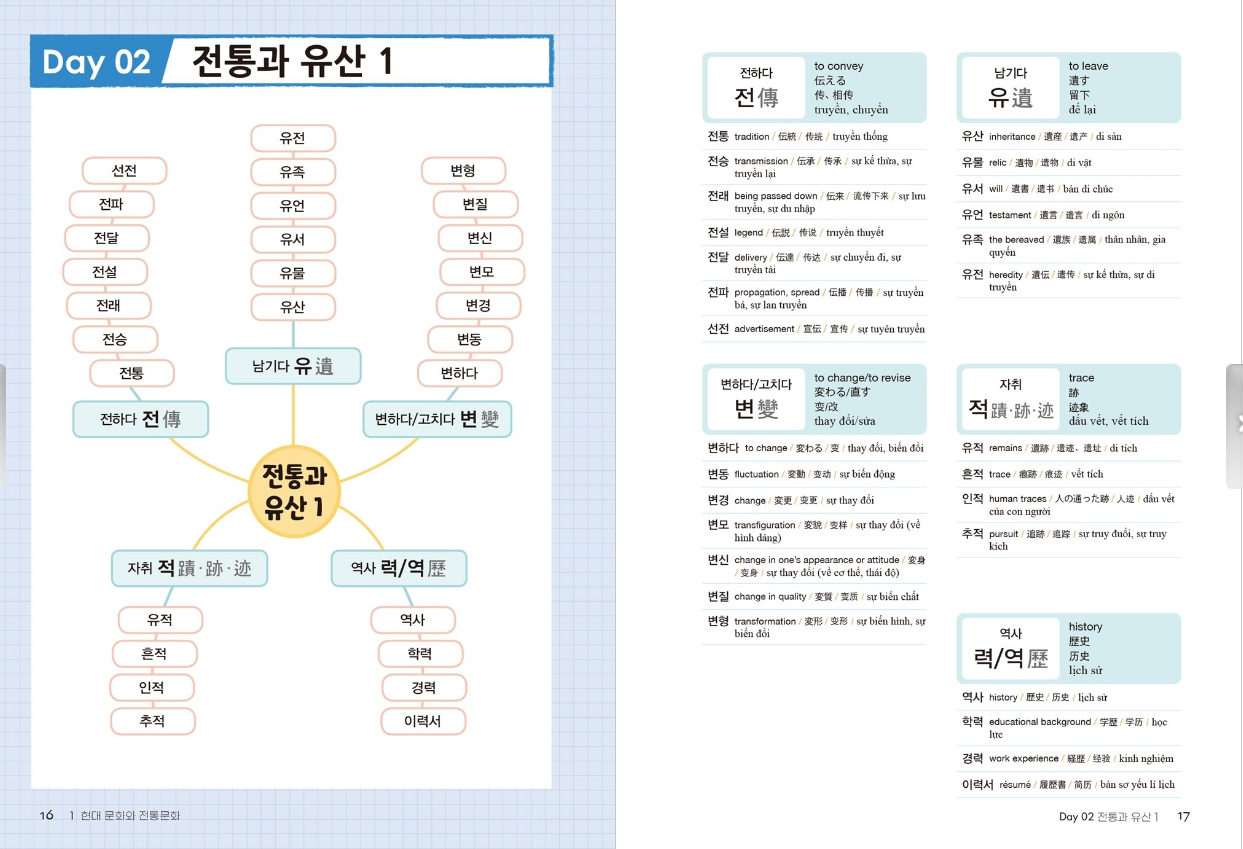
Mind Map Sino-Korean Words 2300 마인드맵으로 배우는 한자어 2300
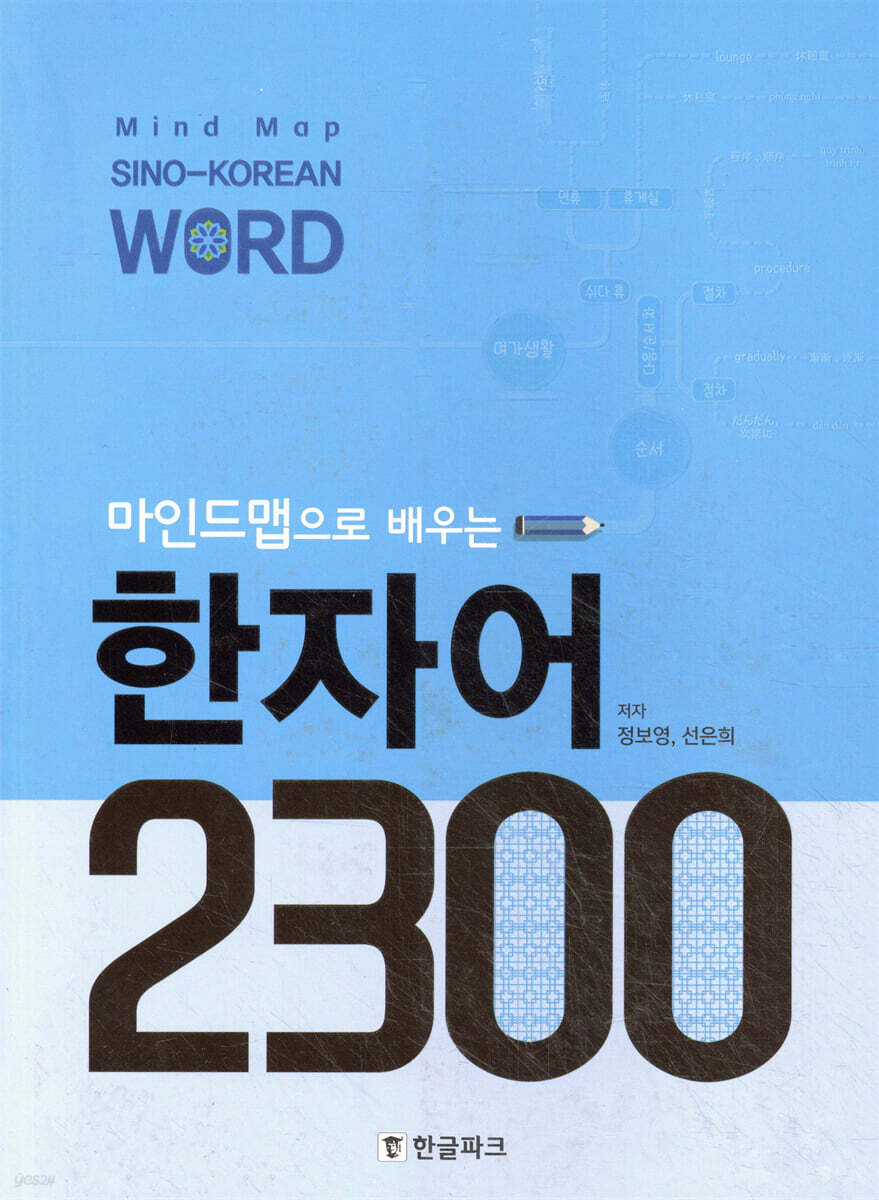
This book focuses on Chinese characters (Hanja) that are commonly used in intermediate and advanced Korean vocabulary, not by teaching how to write or form the characters, but by helping you understand the meanings behind them. Instead of going deep into the structure of Hanja itself, it explains how these characters contribute to the meaning of Korean words, making it easier to recognize patterns and connections between vocabulary.
This is my personal recommendation for better vocabulary retention. Since it explains the meanings of the Hanja components, it helps you move away from just memorizing words randomly and instead understand them on a deeper level. For me, Korean has so many words with similar meanings that it can get confusing, but knowing the basics of Hanja really helps you guess meanings and contexts more easily, and makes learning vocabulary feel much more manageable. Also good to mention that any advanced Korean words are based on Hanja, so learning them can really help you improve your TOPIK writing score.
Mind Map TOPIK Korean voca 2300
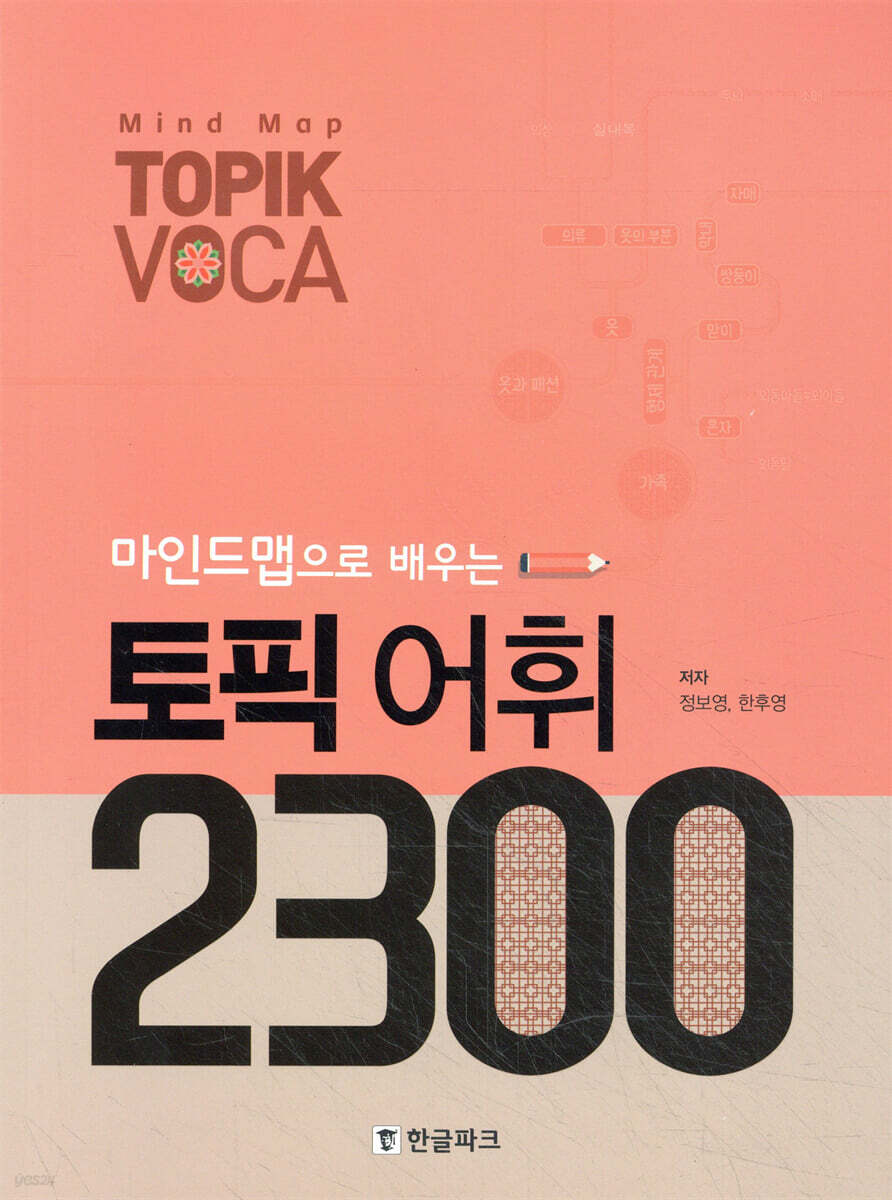
The same as the previous book, but now completely focused on TOPIK. This vocabulary book is designed not just to teach words, but to show you how to learn them more effectively through strategies like mind maps. Instead of memorizing isolated vocabulary, it groups words by meaning and topic, allowing you to study related words together, including synonyms and antonyms. It covers around 2,300 intermediate-level TOPIK words organized into 47 themes and structured into an 80-day plan, making it really manageable if you want to build your vocabulary consistently over time.
I think this is a great option if you struggle with memorizing vocabulary or feel like you forget words easily. The mind map approach helps you connect meanings, which makes it easier to remember and actually use the words in context. It also includes real-life sentences, translations, and extra related expressions, so your learning feels more practical and less repetitive. I also like that it considers how Hanja-based vocabulary becomes more important at higher levels, so it naturally helps you prepare for more advanced Korean.
Texbooks With Mock-up Exams:
TOPIK 2 Passing Recipe Practical Mock Tests
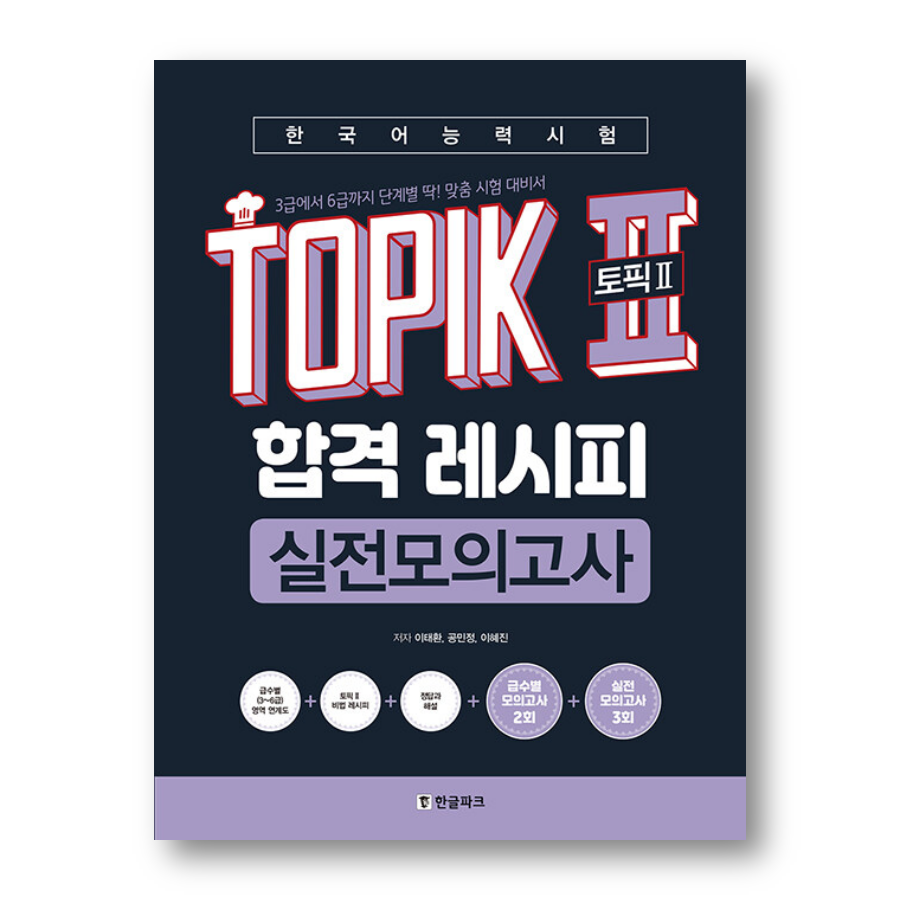
TOPIK II 합격레시피 – 실전모의고사 is a practice-focused book that follows the same structure and strategies introduced in the main 합격레시피 series, applying them directly to realistic mock exams. It is designed based on analyzed exam trends, question rankings, and common question types, so you can practice with high-probability questions that closely reflect what actually appears on the test. The book also breaks down listening situations and reading passage types in detail, helping you get used to different formats you’ll encounter in the real exam.
I think this is a really good choice if you want to focus on test-taking skills and timing. It includes mock exams divided by level (TOPIK 3–6) in the beginning, and full-length tests that follow the real exam format in the later sections, which is great for building confidence step by step. The listening sections even match the actual exam timing, and it also includes a “recipe” overview that helps you understand question patterns quickly. Overall, it’s ideal if you already studied the theory and want to practice in a more realistic, exam-like way.
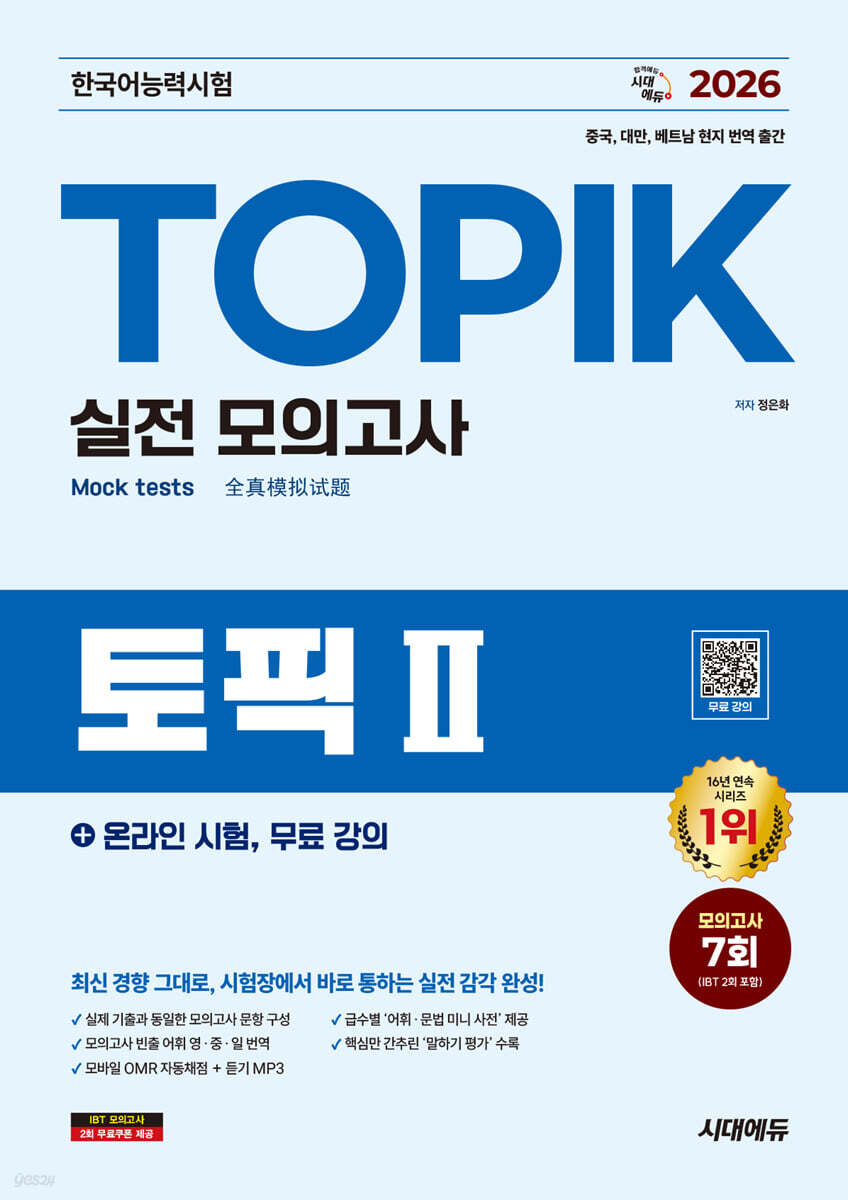
This book includes 7 full mock tests (including online versions), detailed answer explanations, and a selection of high-frequency TOPIK vocabulary translated into English, Chinese, and Japanese. It reflects the latest exam trends through five realistic practice tests, and also provides two additional IBT-style online mock exams so you can get used to the computer-based format. On top of that, it gives a quick overview of the TOPIK speaking test and comes with a mini vocabulary booklet that helps you review useful grammar and expressions.
I personally used the 2025 version, but I would recommend getting the most updated edition if possible. Since TOPIK questions and trends change over time, having the latest version means you’re studying with the most relevant material. Even so, the structure of the book is very solid, so whichever version you choose, it’s a great resource for practicing in a real exam format and improving across different sections.
Final Thoughts:
I hope all those tips help your studies, even if a little bit. Studying Korean made me realize I will never stop learning, so don’t get discouraged if something seems too hard. It’s in the difficult moments that we grow—or better said, bloom. I hope this spring breeze brings you inspiration to keep studying and reach TOPIK level 6.
Also, try to make your study routine a bit more fun and immersive—using tools like Lingopie can really help with that. Watching shows with interactive subtitles is a great way to naturally pick up vocabulary and expressions while staying motivated. No matter where you are in your journey, progress is still progress, even if it feels slow. Stay consistent, trust the process, and don’t be afraid to make mistakes along the way. One day, everything you’ve been learning will come together, and you’ll look back and realize how far you’ve come. 🌸


![Japanese vs Korean: Which Language Should You Be Learning? [2026]](/blog/content/images/size/w300/2026/03/Japanese-vs-Korean.jpg)