

![10 Best Japanese TV Shows To Learn Japanese [2026]](/blog/content/images/size/w1200/2023/09/C-pia-de-imgs-blog---Spanish-1--10-.png)
If your playlist jumps from J-pop stages to late-night dorama binges and then straight into a weekend anime spiral, you’re already living inside Japanese TV culture. You know the catchphrases. You recognize the honorifics. You’ve probably repeated a dramatic “uso!” or “majide?” without even thinking about it.
The good news here is that this exposure is exactly how you start to learn Japanese. The more time you spend watching Japanese TV shows, the more your ear adjusts to natural pacing, everyday vocabulary, and the way sentences actually flow in conversation.
If you're looking for the next show to watch, this guide will help you find Japanese series guaranteed to improve your skills and expand your vocab with every episode. Let's begin!
- 26+ Crazy Cute Japanese Words You Must Understand
- 6 Best Japanese Translation Apps For Learners [TESTED]
- 6 Best Japanese Language Apps Worth Trying This 2026

How To Watch Japanese TV Shows
If you want to start watching Japanese TV shows right away, the easiest route is major streaming platforms. Netflix, Prime Video, and Disney+ carry a growing catalog of popular J-dramas, anime hits, and even some variety content. For trending titles and mainstream releases, you usually won’t need anything complicated.
For niche dorama, older classics, regional variety shows, or idol programs, things get trickier. Some content is region-locked to Japan. In those cases, viewers often use a VPN to access Japanese libraries or rely on specialty streaming sites that focus on Asian content. Availability changes often, so it’s worth checking a few platforms before you commit.
Here are some of the most recommended platforms among fans of Japanese series:
- Lingopie: Best for learning Japanese with dual subtitles and interactive tools
- KissAsian: Best for free access to a wide range of Asian dramas
- WeTV: Best for trending Asian dramas and reality shows
- Jme TV: Best for official Japanese variety shows and news content
- Asian Crush: Best for curated Asian films and cult Japanese titles
If you want a deeper breakdown of Japanese TV streaming options, regional access tips, and platform comparisons, check out our comprehensive guide to the best platforms for watching Japanese TV shows. It covers where to stream legally, how to access Japanese libraries, and which services are most useful if your goal is to learn Japanese through real content.
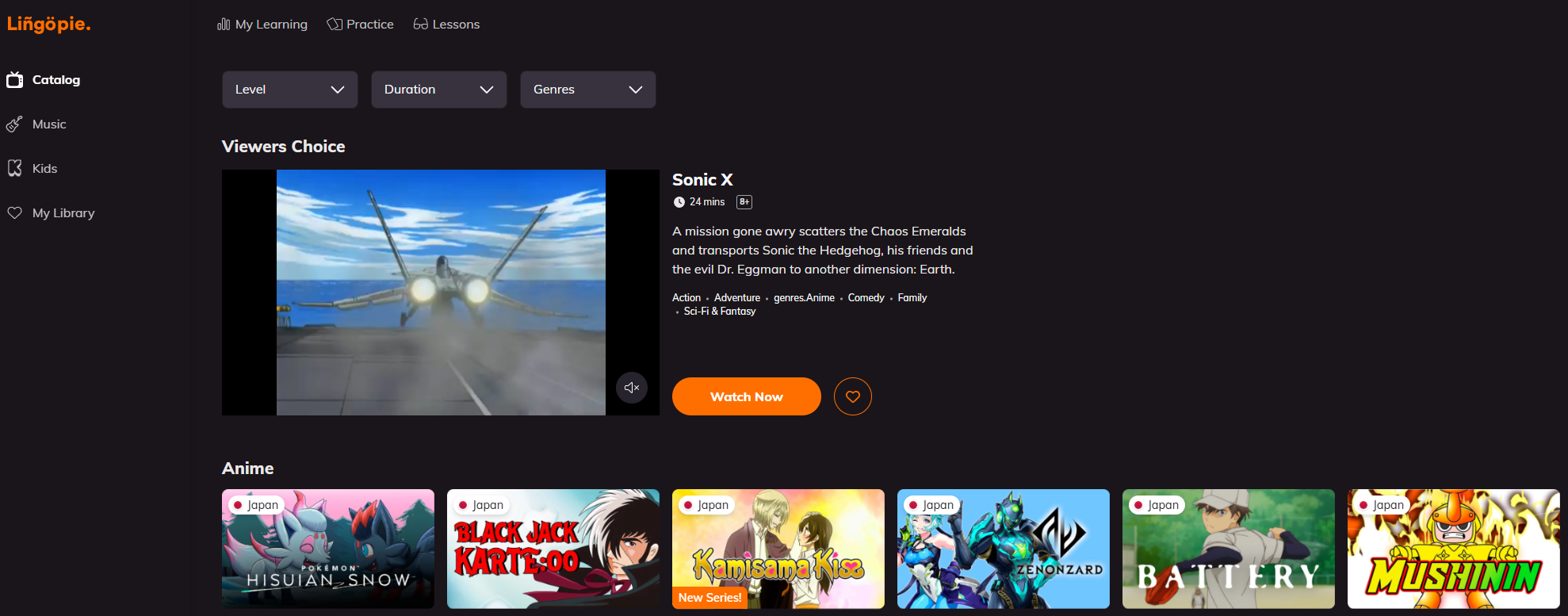
Best Japanese TV Shows on Lingopie
My Little Lover
My Little Lover is a Japanese TV show built around one of the more memorable premises in J-drama: Chiyomi, a girl who shrinks to a few centimeters tall after a flash of lightning, and Minami, the childhood friend whose careless words may have caused it. What follows is a romantic comedy that plays out almost entirely in close quarters.
The dialogue here runs warm and natural, making it good for watching Japanese practice for beginners. Because Chiyomi and Minami spend most of the show in private conversation, you get a lot of casual, everyday speech rather than formal or stiff Japanese. You'll pick up how young adults actually talk to each other, including how affection and frustration sound in Japanese before anyone's ready to admit what they feel.
Usagi Drop
Daikichi is 30, single, and not remotely prepared for what happens at his grandfather's funeral. His grandfather had a secret daughter, a six-year-old named Rin, and no one in the family wants to take her in. So Daikichi does. Usagi Drop follows them learning how to be a family without a rulebook, one quiet episode at a time.
For anyone learning Japanese through TV, this series is genuinely useful. Children's speech is clear and slow, adult speech is measured and conversational, and the show covers a lot of practical vocabulary around daily life, parenting, school, and food.
Japanese Cuisine
Japanese Cuisine skips the competition format and the celebrity chef theatrics. It's a cooking show focused on traditional Japanese food, built around the idea that you don't need professional training to prepare it well. Each episode walks through dishes step by step, at a pace that makes the techniques feel approachable.
Watching this is low-key effective for Japanese learners because the vocabulary is practical and repeated constantly. You'll learn how Japanese speakers talk about ingredients, cooking methods, taste, and texture, all in context. Food language is some of the most useful Japanese you can pick up, and a cooking show gives it to you in short, clear sentences tied directly to what's happening on screen.
I Don't Love You Yet

You Mitarai and Ren Ishida have been friends long enough to make a bad bet: 300,000 yen says one of them gets married before 30. What starts as a throwaway joke starts pulling everyone in their orbit into the mess, including their juniors and You's ex. I Don't Love You Yet is the kind of J-drama that moves fast, talks fast, and keeps the emotional logic just complicated enough to stay interesting.
The language in this Japanese drama is conversational and contemporary, heavy on the kind of banter and hedging that shows up constantly in real speech. You'll hear how Japanese speakers negotiate feelings without saying them directly, which is actually one of the trickier things to absorb when learning Japanese with TV.
Taro's Candy House
Taro's Candy House follows Taro and his grandmother running a small candy shop together. That's essentially it. The show is quiet and episodic, more interested in the rhythms of everyday life than in plot twists. If you've watched Midnight Diner or Samurai Gourmet and wanted something at the same pace but lighter, this sits in that same corner of Japanese TV.
The dialogue is simple and unhurried, which makes it one of the better options on Lingopie for beginners just starting to watch Japanese. Taro and his grandmother speak clearly, repeat vocabulary naturally across episodes, and the setting keeps the language grounded in daily life, transactions, family relationships, and small talk.
Best Japanese Shows to Learn Japanese on Netflix
Ready to hit play on your next best Japanese show yet? Below, you’ll find the Japanese TV shows across anime, J-drama, and variety from Netflix, perfect if you want to learn while bingeing latest content. For each series, we’ll break down what it’s about and, more importantly, why it works for language learners.
The Makanai
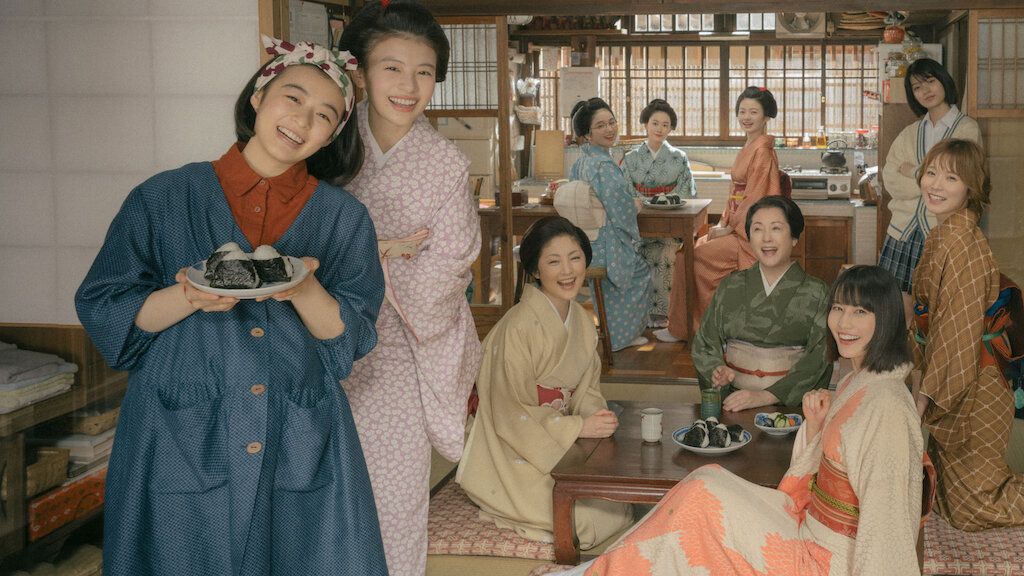
The Makanai: Cooking for the Maiko House is a quiet, beautifully shot Japanese TV show set in Kyoto’s geisha district, following two teenage girls training to become maiko. One pursues the traditional path of dance and performance, while the other becomes the makanai, the cook who prepares daily meals for the house.
The dialogue in this Japanese TV show leans heavily on polite forms, soft-spoken exchanges, and Kyoto-specific phrasing that reflects the hierarchy inside an okiya. You’ll hear consistent use of honorifics like -san and -chan, formal verb endings, and food-related vocabulary repeated naturally across episodes.
Because conversations revolve around daily routines, meals, and training, key phrases come up again and again, which makes them easier to retain. If you want to learn Japanese with a strong cultural context, this series gives you exactly that.
First Love
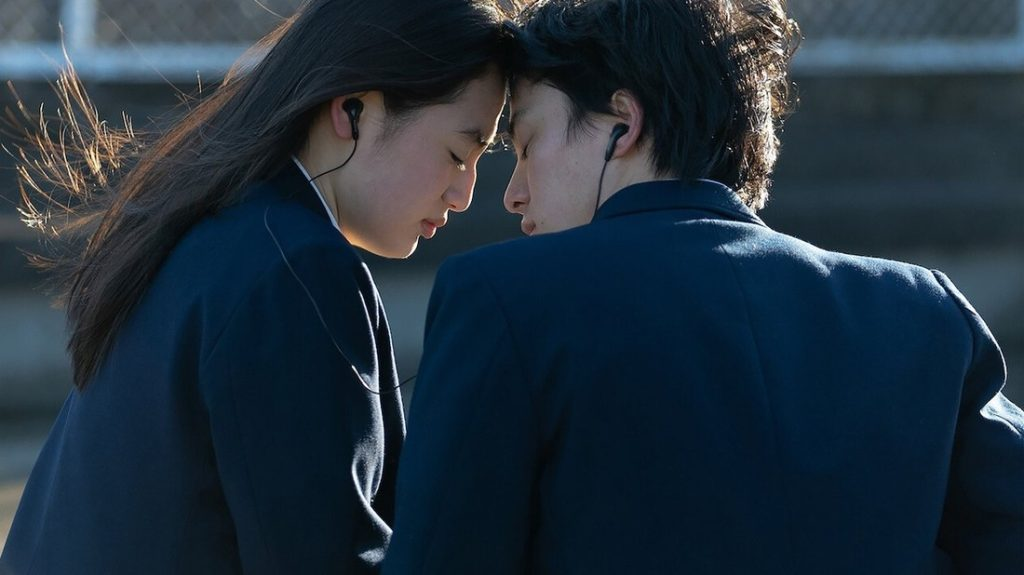
First Love is a sweeping romance inspired by Hikaru Utada’s songs, following two people whose lives keep drifting apart and back together over decades. The story moves between high school memories and adult realities, so you see both youthful innocence and mature regret. It’s cinematic, emotional, and grounded in everyday Tokyo life.
For learners, this series is great for emotional clarity and clean delivery. The dialogue is slower and more deliberate, which helps you catch sentence endings and key phrases. You’ll hear natural expressions for love, doubt, longing, and missed chances.
Alice in Borderland

Alice in Borderland follows Arisu and his friends after they’re transported into an empty, parallel Tokyo where they must compete in deadly games to survive. The tone is intense, fast-paced, and suspenseful from the first episode. Unlike slice-of-life Japanese TV shows, this one thrives on tension and psychological pressure. It feels closer to a live-action anime survival arc.
For learners, this series sharpens your listening for urgent, emotional speech. You’ll hear commands, strategy discussions, quick reactions, and raw expressions of fear and determination. The dialogue moves faster than a typical J-drama, which pushes your comprehension skills. Since it’s also a new-ish show, you can also expect updated Japanese slang terms in each episode!
Midnight Diner: Tokyo Stories
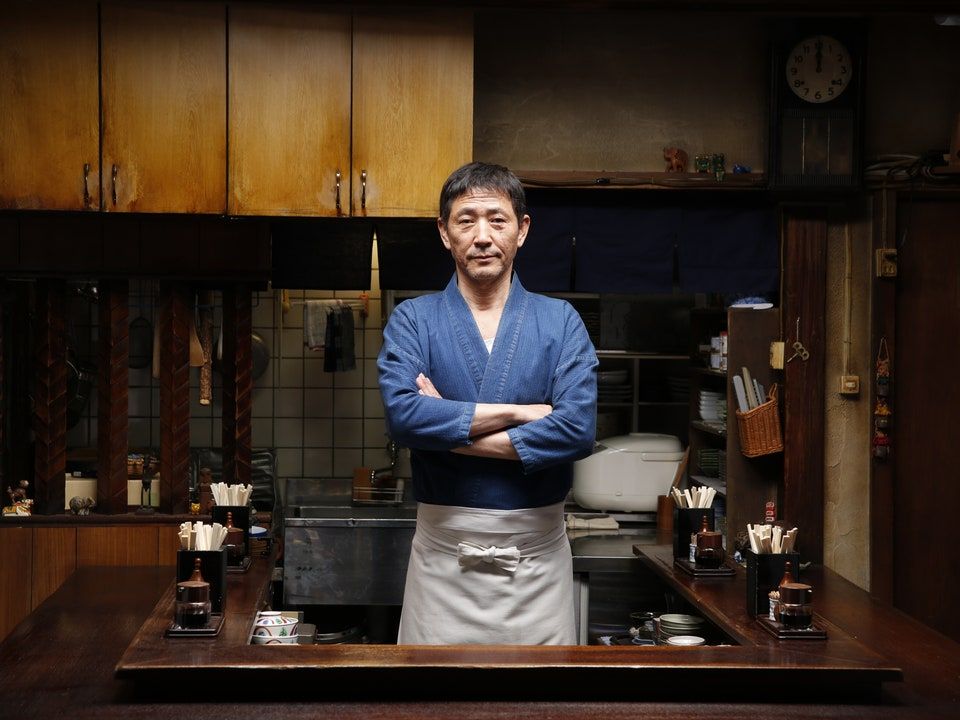
Midnight Diner: Tokyo Stories is quiet, intimate, and built around a tiny late-night restaurant that opens from midnight to 7 a.m. Each episode centers on a different customer and the simple dish they request, with their personal story unfolding over food. Among Japanese TV shows, this one feels the closest to sitting in on real adult life in Tokyo.
If you want to learn Japanese that sounds natural and mature, this is a strong pick. The dialogue is slower, reflective, and packed with everyday expressions used by working adults. You hear how people talk about regret, routine, family, and small victories without dramatic exaggeration. It’s ideal for training your ear to conversational Japanese that feels lived-in and authentic.
The Naked Director

The Naked Director is messy, ambitious, and loud in a way most Japanese TV shows aren’t. It follows Toru Muranishi as he crashes into Japan’s 1980s bubble economy and refuses to play by the rules. Every episode feels like someone betting everything on the next risky move. The energy is chaotic on purpose.
If you’re trying to learn Japanese, this one trains your ear for confrontation and persuasion. Characters interrupt each other. They pitch ideas fast. They argue, negotiate, and push back without softening their words. You don’t just hear polite textbook Japanese here, you hear ego, pressure, and ambition in real time.
Want to Learn Japanese With Japanese TV?
You already love Japanese TV shows. You binge the dramas. You rewatch anime scenes. You mouth the lines before the subtitles appear. But if the subs disappeared tomorrow, how much would you really catch?
That’s the difference between watching and learning.
Most platforms make you work too hard. Pause. Screenshot. Look up words. Break the mood. By the time you understand the line, the scene is gone.
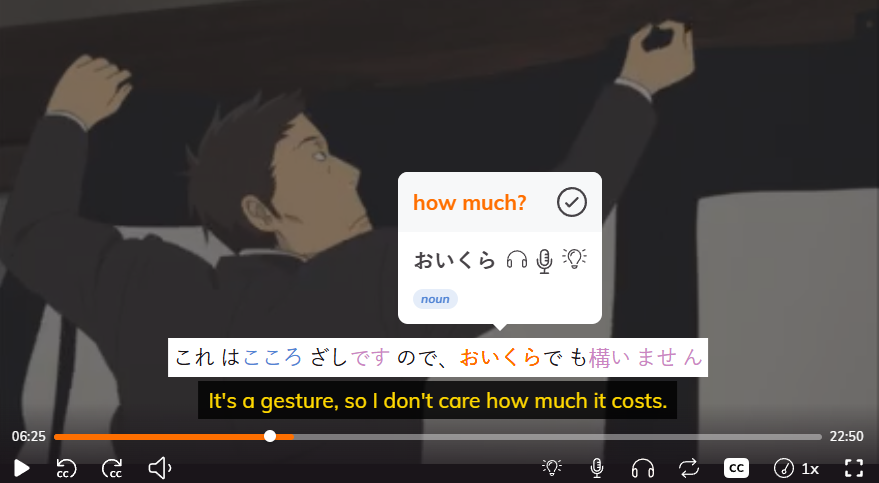
Lingopie lets you stay inside the story. Click a word and see what it means instantly. Replay the exact line. Save phrases straight from the episode. You’re still watching your favorite Japanese series, but now you’re training your ear every minute.
If you’re going to spend hours with Japanese TV anyway, you might as well come out of it understanding more than “uso.” Click below to get your free 7-day trial!
FAQs
What is the most famous series in Japan?
One of the most famous and longest-running series in Japan is One Piece, which has dominated manga, anime, and pop culture for decades. Alongside it, Doraemon is considered a national icon, especially across multiple generations.
Who is the Big 5 anime?
The “Big 5” usually refers to One Piece, Naruto, Bleach, Dragon Ball, and Demon Slayer, though older fans sometimes swap Demon Slayer for Attack on Titan depending on era and impact.
Can I learn a language by watching shows on Netflix?
Yes, watching shows on Netflix can be a great tool for language learning. By immersing yourself in authentic content, you can improve your listening skills, expand your vocabulary, and familiarize yourself with native accents and cultural nuances.
Can Lingopie help me learn Japanese from TV?
Absolutely! The Lingopie app is designed to help you learn Japanese by immersing yourself in authentic Japanese content. With Lingopie's dual subtitle feature, learners can compare the English and Japanese translations, expanding their vocabulary, improving pronunciation, and gaining a deeper understanding of the Japanese language.






![Japanese Honorifics: 10+ Titles You’ll Actually Use [GUIDE]](/blog/content/images/size/w300/2026/03/Japanese-honorifics.jpg)