


Have you ever wondered why teaching teenagers a foreign language can feel so challenging—even for experienced teachers? Many educators quickly discover that teaching goes far beyond explaining grammar rules or assigning homework.
Research shows that teens experience a dip in motivation and confidence when learning a new language, especially in traditional classroom environments. According to studies on adolescent learning, students are far more engaged when lessons include storytelling, visuals, and authentic multimedia instead of textbook-only instruction. This is where modern tools can completely transform the classroom.
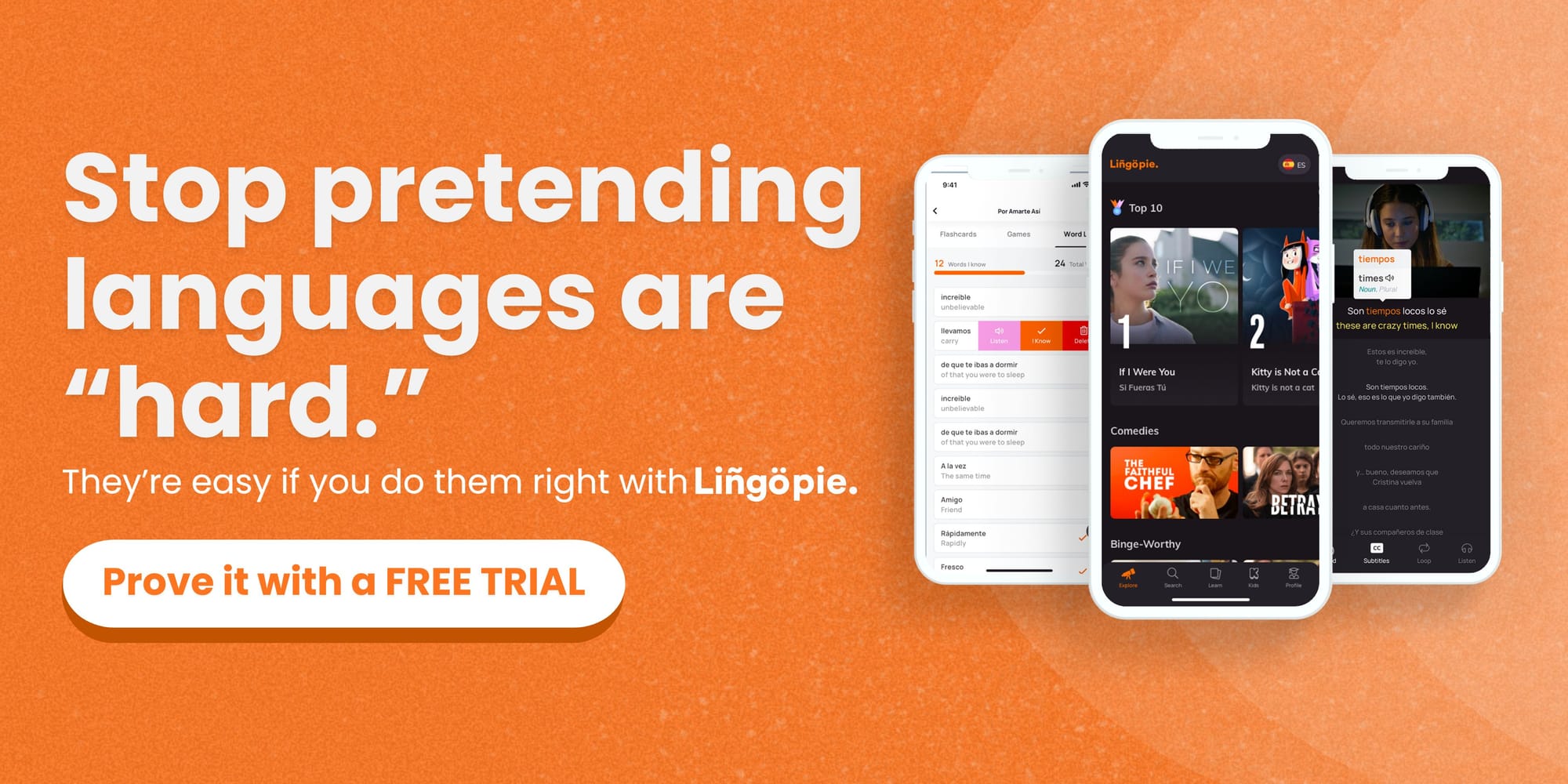
If you're looking for a dynamic way to spark teen engagement, Lingopie offers a powerful solution through authentic TV shows tailored to age, level, and interests. Using TV-based learning strategies, you can create interactive, unforgettable lessons that help even the least motivated students connect with the language.
Why Are Teenagers Hard to Engage in Language Learning?
Teenagers can be difficult to engage for many reasons—personal interests, learning styles, social dynamics, and daily routines. When the material doesn't match their world, motivation drops and language learning becomes a struggle. To keep teens interested, teachers must tap into their passions and create lessons that feel relevant, dynamic, and genuinely fun.
1) Follow Their Interests
The first step is understanding your teen learners:
What do they enjoy in their free time? What are their hobbies? What content do they naturally gravitate toward?
This is where Lingopie becomes a powerful ally. Its extensive catalog includes cooking shows, travel documentaries, action series, horror, anime, and more. Teachers can select content that fits each group’s interests—cooking shows for food lovers, anime for animation fans, or travel shows for curious explorers.
When lessons reflect a student’s personality and tastes, the language becomes more relatable and memorable.
2) Make Learning Interactive
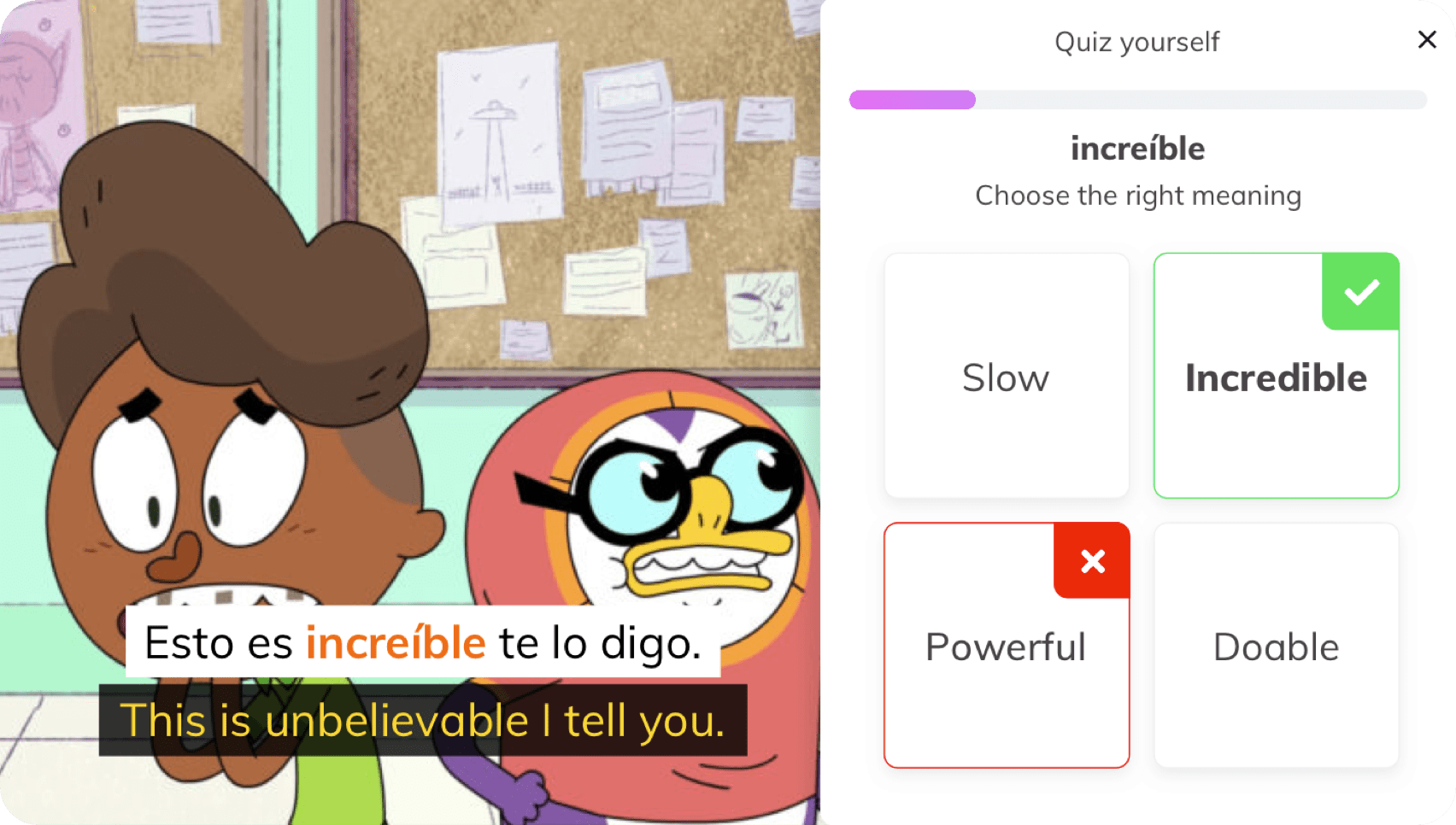
Lingopie goes far beyond passive watching. As teens watch their favorite shows, they can click on words and expressions, save new vocabulary, and reinforce what they learn through quizzes and flashcards. Students even earn points, adding a motivating gamified element to the learning process.
Teachers can also choose specific scenes from a show and turn them into targeted learning moments:
• Introduce the vocabulary and expressions that appear in the scene
• Reinforce them with flashcards and quizzes
• Have students create their own sentences—especially ones connected to their hobbies or daily life
This combination of personalization and interactivity helps transform language learning into an engaging, hands-on experience teens actually enjoy.
3) Teamwork is better.
Socialization is a very important aspect to keep in mind when growing up. During this stage, teens' personality is defined and it's crucial for adulthood, for what kind of person they'll become.
Lingopie can be used as a mean of socialization between teens by healthy competition and challenges. A teacher can create watching groups and give exercises to do before and after watching it. Flashcards and quizzes can be used to determine how many points each group gains. The group that gains the most points is the winner.
4) Shows aren't all on Lingopie.
International music and podcasts are also present on Lingopie and the good news is that you can learn words and phrases from them!
Like shows, first we have to know the students' interests and then choose the music or podcasts that fit them the best. Nothing better than learning a language while listening to your favorite singer or to a podcast that talks about your hobbies and experiences!

Related post:
 Milena Andrade
5) Cultural knowledge.
Talking about cultural facts and experiences can be engaging. Lingopie strenghten this by showing customs from a variety of countries and making the facts more visual and not just talking.
6) Level customization.
Lingopie offers its content divided by difficulty levels: beginner, intermediate and advanced. Teenage students can watch and learn a language according to their level of knowledge. This makes the task of searching for appropiate content much easier for teachers and students.
In conclusion.
Teaching teens is a challenge for any language teacher, but if you know your students and you use the right learning tools, it can transform your lessons into something memorable, fun and engaging. Ask your teenage students what they like (TV shows, movies, music, etc.), what their hobbies are and know what their strengths in learning are.
And this can be accomplished with Lingopie, the only language learning app that offers you real and great TV in any of these languages: Spanish, Italian, German, French, Portuguese, Russian, Japanese, Chinese and Korean (and more to come!). Sign up and start your free trial now!
That's it for today. See you in the next article!
Related posts:
Milena Andrade
Some frequently asked questions.
1.How do you engage students in language learning?
As we see, TV shows and music have the power to engage teens in language learning, but this goes for any kind of student, from teens to kids and adults. The complete answer to this question is that multimedia used in lessons can engage learners of any language. This includes books/articles and radio too. Multimedia offers more variety to language learning and also an authentic way of experiencing any language.
2.How do you teach a language in a fun way?
Multimedia can make language lessons funnier. However, it may not be enough to engage students. This is when games appear. Like we said earlier, Lingopie has quizzes and flashcards that can be used as a practice game for students. But you can also create your own games to be played along a Lingopie show. For instance, try using a guessing game based on a theme before watching a show or try creating word games based on the show after watching it. What's more important: always have an objective to fulfill when watching a show, like paying attention to certain expression or word or how characters act in certain situation.
3.How do you motivate a language learner?
Language learners (kids, teens and even adults) need to feel that they're doing exercises for a reason. They need to feel that being present in your class and doing homework is important for them, not for you. If students do homework or are present just to please you, something is wrong. Teachers need to communicate that your lessons are meaningful for students and this can be achieved through interesting and relevant activities that make good use of the students' learning skills and interests.
4.What age is the hardest to learn a language?
According to some scientific studies, language learning becomes harder after the age of 17 or 18. Kids from 3 to 5 years learn languages very easily and they do so until 10. This is because the kids' brain adapts easier to new changes and it loses that adapting power through the years. However, this doesn't mean that adults can't learn a new language. Like, at all. A person can learn a new language at any age, but he or she may need more practice to master it, whereas a kid needs fewer practice to do so.



![Japanese Honorifics: 10+ Titles You’ll Actually Use [GUIDE]](/blog/content/images/size/w300/2026/03/Japanese-honorifics.jpg)